Book online

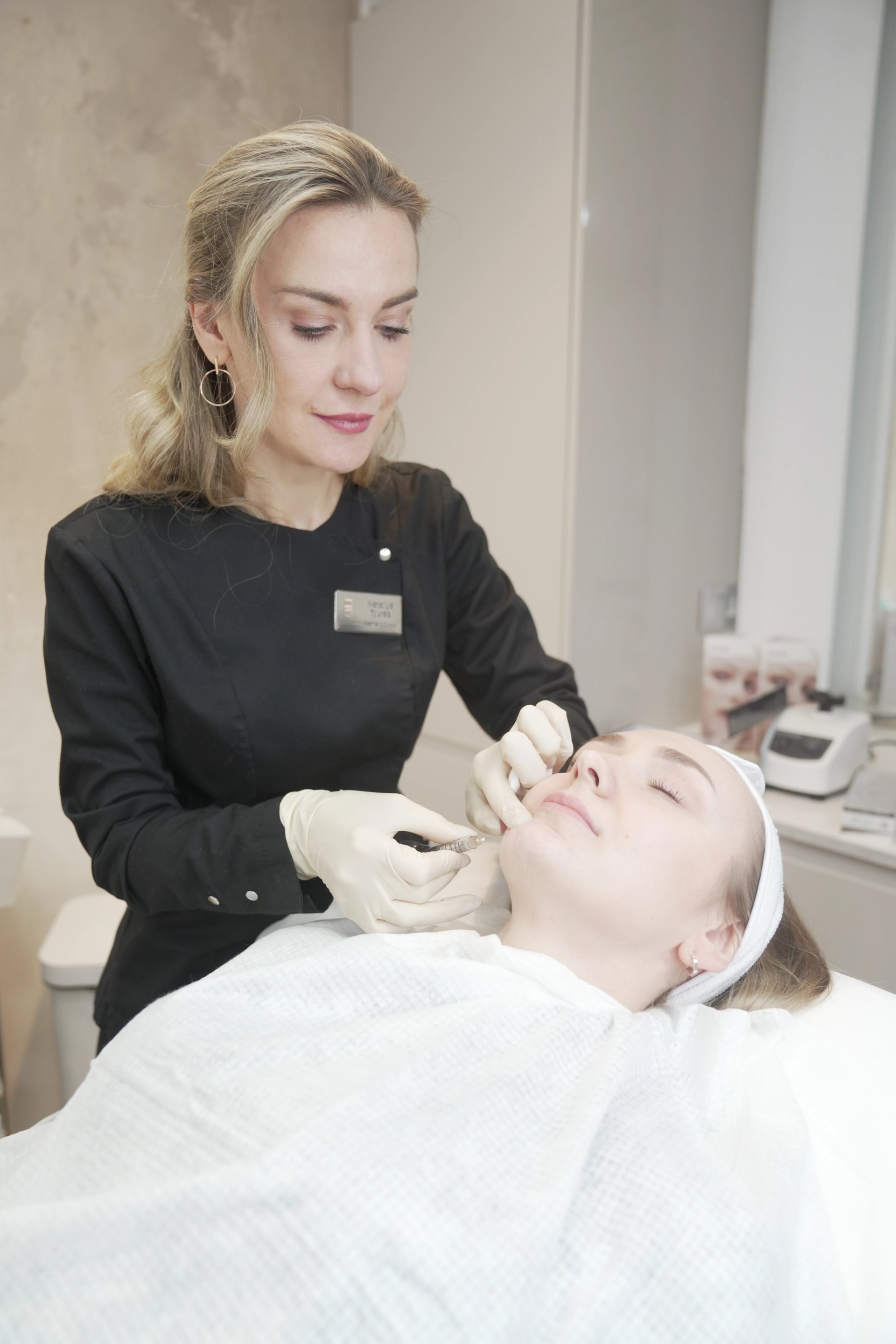
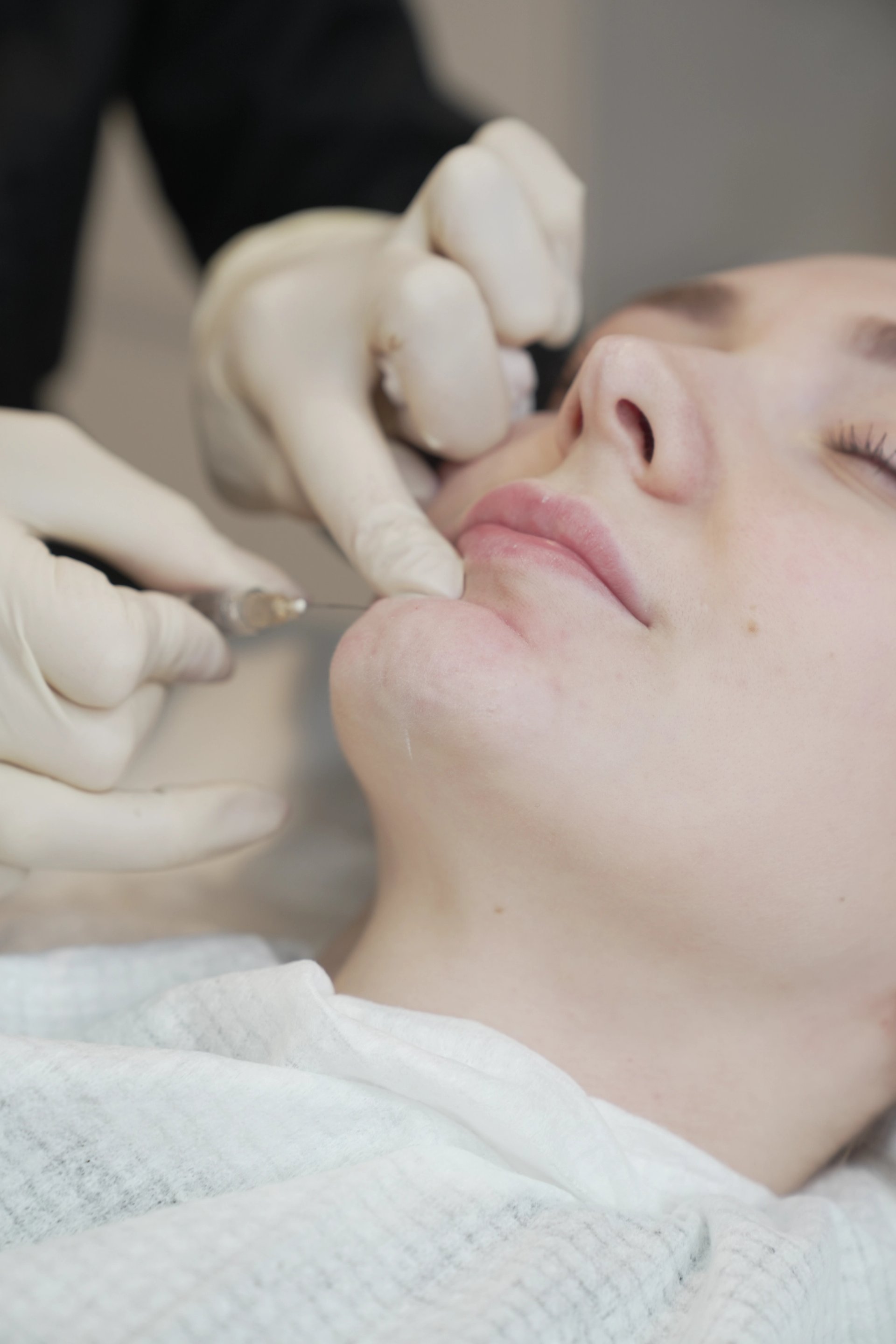
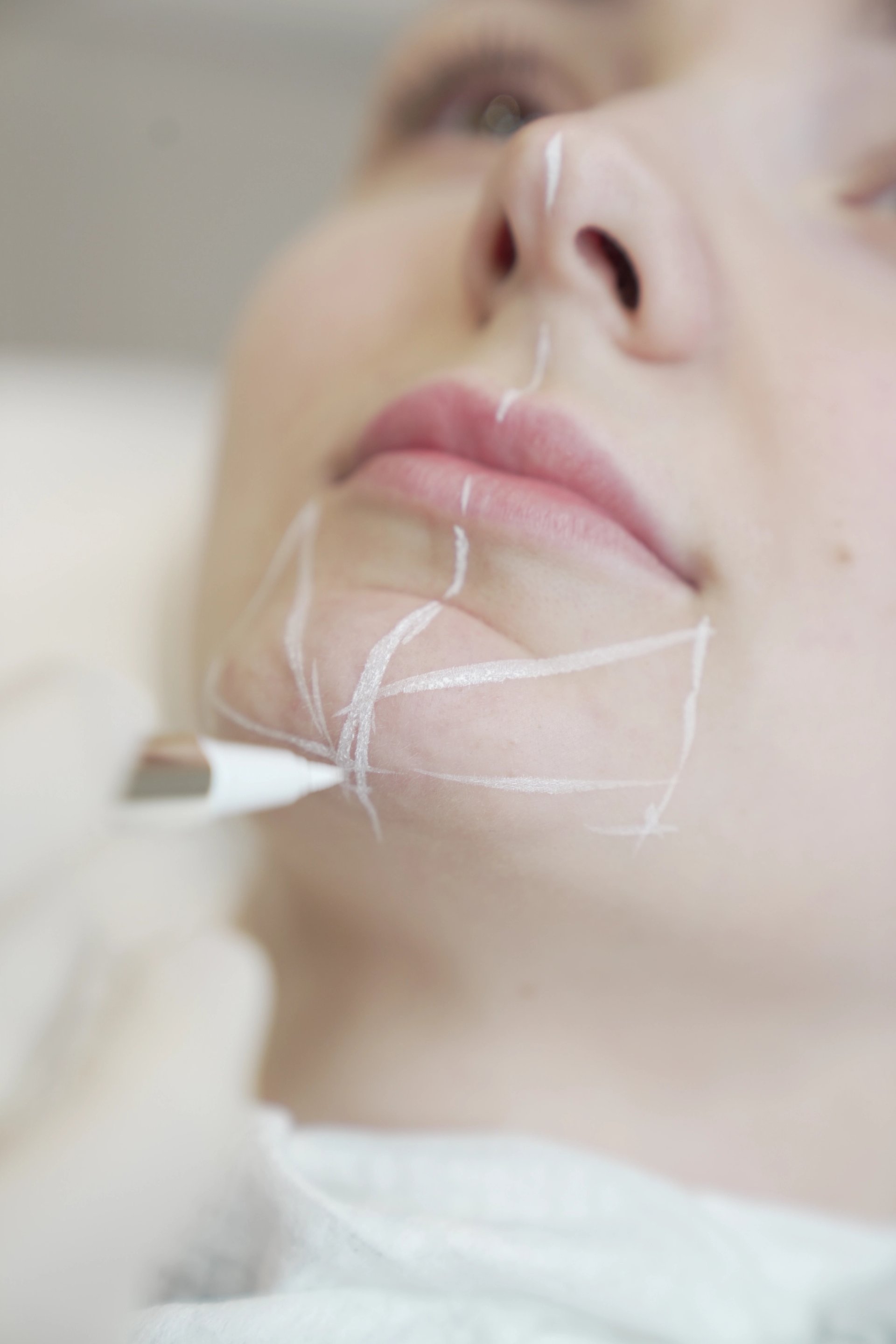
Lenisna PDLLA

About the treatment

What is it used for?

    • Natural volume enhancement;
    • Improvement of deep skin folds and wrinkles;
    • Natural contouring of the face and body;
    • Subtle facial and body augmentation;
    • Treatment of deep surgical scars;
    • Suitable for individuals ranging ages from 20s to 80s.
doctor icon
Indications for treatment
  • Hydration and nutrition;
  • Reduction of wrinkles;
  • Improvement of skin tension;
  • Revitalization;
  • Thickening of the skin structure;
  • Immediate visible results due to the presence of hyaluronic acid;
  • Long-lasting effects of over 2 years from the last treatment;
  • First signs of aging;
  • Volume enhancement for sunken face areas;
  • Folds in the skin.
doctor icon
Contraindications to treatment
  • Pregnancy and lactation period;
  • Allergy / hypersensitivity to the ingredients of the products;
  • Hypersensitivity to hyaluronic acid;
  • b]Bacterial, fungal, and viral skin infections, skin inflammation;
  • Active herpes, i.e., viral lesions;
  • Blood coagulation disorders;
  • Tendency to develop keloids;
  • Decompensated diabetes;
  • Use of immunosuppressive drugs and corticosteroids;
  • Oral therapy with retinoids, derivatives of vitamin a (at least 6 months break;
  • Skin cancers, including undergoing radiation therapy.

PRICE

Course of 1
Treatment with Nataliya Tyurdo

+£50 to price below

Lenisna Face (1 vial)

£590

Lenisna Body (1 vial)

£590

Preparation for the treatment

    • Consultation. Schedule a consultation with a licensed practitioner who specializes in Lenisna treatment. During the consultation, discuss your concerns, goals, and any medical conditions or medications you are currently taking;
    • Medical history. Provide your complete medical history to the practitioner, including any past surgeries, allergies, or ongoing medical conditions. This information will help determine if you are a suitable candidate for Lenisna treatment;
    • Medications. Inform the practitioner about any prescription or over-the-counter medications you are taking. Some medications may interfere with the treatment or increase the risk of complications;
    • Avoid blood thinners. If you are taking blood-thinning medications, such as aspirin or warfarin, you may be advised to stop using them a few days before the treatment. This is to reduce the risk of excessive bleeding or bruising;
    • Skin preparation. Follow any instructions given by the practitioner regarding skin preparation. This may include avoiding sun exposure, exfoliating the skin, or using specific skincare products;
    • Hydration. Stay well-hydrated in the days leading up to the treatment. Proper hydration can help improve the elasticity and health of your skin;
    • Avoid alcohol and caffeine. Limit your consumption of alcohol and caffeine before the treatment. These substances can dehydrate the skin and may affect the effectiveness of the treatment;
    • Rest and relaxation. Get plenty of rest and avoid excessive stress in the days leading up to the treatment. Adequate rest can help your body heal and recover more effectively.

Aftercare

    • Follow practitioner’s instructions. Listen carefully to the instructions provided by your practitioner and follow them diligently. They may include specific skincare products to use, post-treatment routines, and any restrictions or precautions to take;
    • Keep the treated area clean. Gently cleanse the treated area with a mild, non-irritating cleanser as instructed by your practitioner. Avoid using harsh or abrasive products that could irritate the skin;
    • Moisturize regularly. Apply a gentle, hydrating moisturizer to the treated area to keep the skin moisturized and promote healing. Use products recommended by your practitioner or ones specifically designed for post-treatment care;
    • Avoid sun exposure. Protect the treated area from direct sun exposure for a few weeks following the treatment. Use a broad-spectrum sunscreen with a high SPF to shield the skin from harmful UV rays;
    • Avoid harsh chemicals and exfoliants. Refrain from using harsh chemicals, exfoliants, or scrubs on the treated area until your practitioner gives you the go-ahead. These products can be too harsh for sensitive post-treatment skin;
    • Be gentle. Avoid picking, scratching, or rubbing the treated area. Let the skin heal naturally without any interference to prevent complications or potential scarring;
    • Stay hydrated. Drink plenty of water to keep your body hydrated, which can aid in the healing process and promote overall skin health;
    • Monitor for any unusual reactions. Keep an eye on the treated area for any signs of infection, excessive swelling, prolonged redness, or other unusual reactions. If you notice anything concerning, contact your practitioner immediately;
    • Follow up with your practitioner. Schedule any recommended follow-up appointments with your practitioner to monitor your progress and address any concerns or questions you may have.

Would you like book an appointment?

Our contacts

Work hours
Mon-Fri
09:00–20:00
Sat
09:00–19:00
Sun
Closed
socials
Address
19-21 Great Tower Street, London, EC3R 5AR Google map >
Address
19-21 Great Tower Street, London, EC3R 5AR Google map >
Booking online
×