

TL;DR
Post-summer pigmentation is often triggered by UV exposure, but skin type, hormones and inflammation can also play a role. A professional skin assessment can help identify the cause and guide the most appropriate treatment and prevention plan.
Post-Summer Pigmentation: Why It Happens and What You Can Do
After summer, you may notice that your skin looks less even than it did a few months ago. Dark spots may have become more visible, freckles may have intensified, or areas of pigmentation may seem to have appeared almost overnight.
This is common after periods of increased sun exposure, but pigmentation is not always simply caused by "too much sun". Understanding why it happens and what is triggering it is the first step towards managing it effectively.
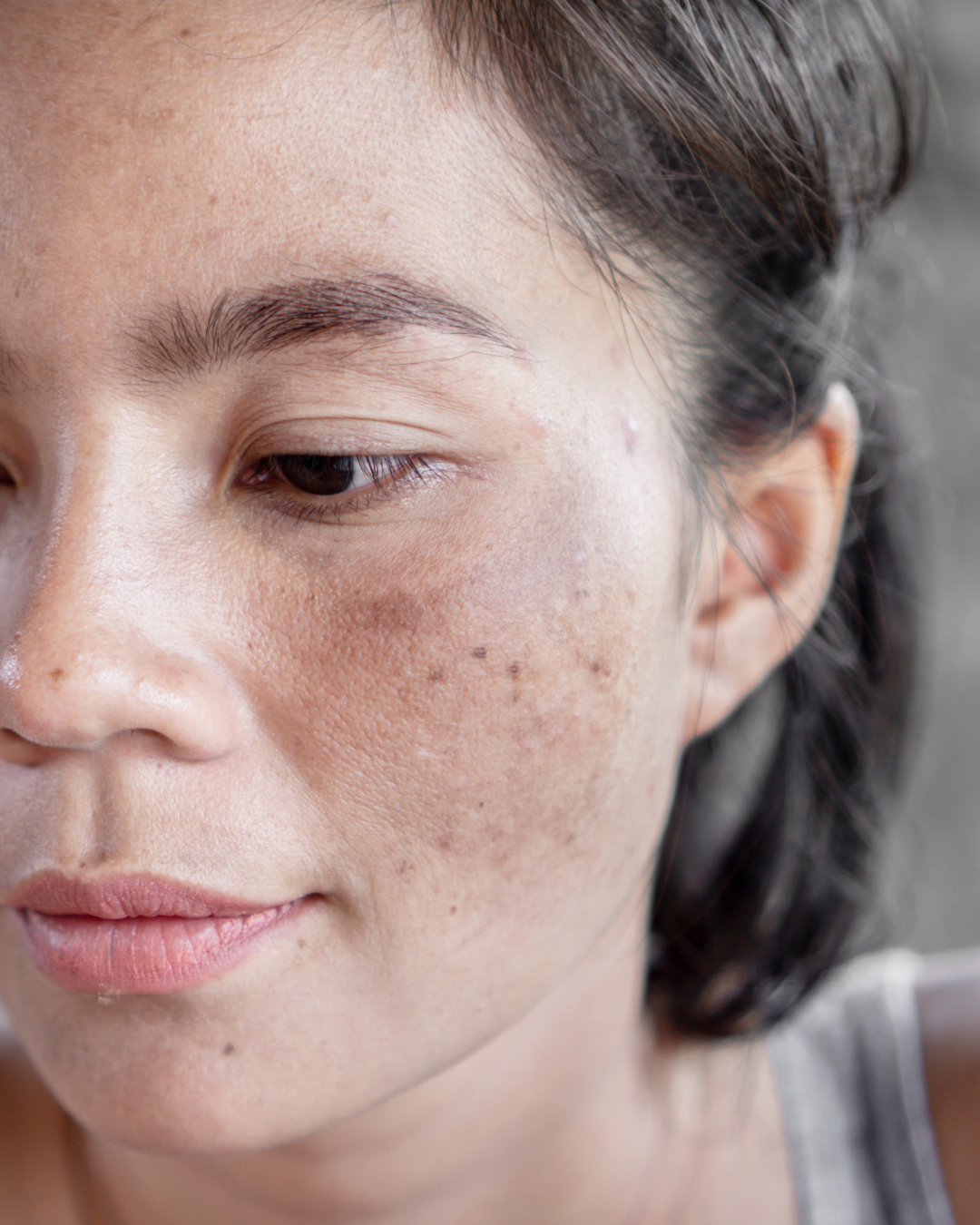
Why Does Pigmentation Get Worse After Summer?
Your skin produces melanin, the pigment responsible for your natural skin colour. UV exposure stimulates melanin production as part of the skin's natural defence mechanism.
After repeated sun exposure, this increased pigment production can become more noticeable, particularly in areas such as the face, forehead, cheeks and upper lip.
However, several other factors can contribute to pigmentation, including:
- Your natural skin type and pigmentation
- Genetics
- Hormonal changes
- Previous sun exposure
- Inflammation or irritation
- Acne and post-inflammatory pigmentation
- Certain medications
- Heat and environmental factors
This is why pigmentation can look very different from one person to another, even after similar levels of sun exposure.
Why Does Pigmentation Keep Coming Back?
One of the most frustrating things about pigmentation is that it can return even after it has been successfully reduced.
This is because treatment addresses the visible pigment, but the cells responsible for producing melanin can remain active. Continued UV exposure, hormonal changes or inflammation may trigger pigment production again.
For some people, pigmentation is therefore something that needs to be managed over time rather than treated just once.
Consistent sun protection and a suitable skincare routine are important for maintaining results.
Not All Pigmentation Is the Same
A dark spot isn't necessarily the same as another dark spot.
Sun spots, freckles, post-inflammatory pigmentation and melasma can have different causes and may respond differently to treatment.
For example, melasma can be particularly sensitive to UV exposure and heat, and certain treatments may not be appropriate for every patient.
This is why choosing a treatment simply because it worked for someone else isn't always the best approach.
Your skin type, pigmentation type, skin sensitivity and individual history all need to be considered.
Why Your Skin Type Matters
Skin type plays an important role in how pigmentation develops and how the skin responds to treatments.
People with more melanin in their skin may be more prone to certain types of pigmentation and may require a more cautious, personalised approach when considering light- or laser-based treatments.
This doesn't mean that pigmentation cannot be treated. It means that the treatment should be carefully selected and tailored to your skin.
What Can You Do About Post-Summer Pigmentation?
The first step is understanding what you're dealing with.
At Innoderm, pigmentation concerns may be assessed using our AI Skin Analysis, which can identify areas of pigmentation and other skin concerns that may not yet be clearly visible on the surface.

This gives our team a more detailed picture of your skin and helps us recommend an approach based on your individual needs.
Depending on the type and severity of pigmentation, treatments such as BBL HEROic, IPL or PicoSure Pro may be considered. These technologies work in different ways, so the most suitable option depends on your skin rather than simply choosing the most popular treatment.
How to Help Prevent Pigmentation After Summer
Prevention is just as important as treatment.
Use SPF 50+ Every Day
Daily broad-spectrum SPF should remain an essential part of your skincare routine throughout the year — not just during summer.
UV exposure can continue even when the weather is cloudy, so protecting your skin consistently is one of the most important things you can do to help prevent pigmentation from returning.
Reapply Your SPF
If you're spending time outdoors, SPF needs to be reapplied regularly, particularly after sweating, swimming or prolonged outdoor exposure.
Don't forget commonly missed areas such as the ears, neck and décolletage.
Avoid Excessive Sun Exposure
Even with sunscreen, try to avoid prolonged direct sunlight, particularly during periods of strong UV exposure.
Hats, sunglasses and seeking shade can provide additional protection.
Be Gentle With Your Skin
Skin irritation and inflammation can contribute to post-inflammatory pigmentation.
Avoid unnecessarily aggressive exfoliation, picking at blemishes or using multiple irritating active ingredients at the same time.
A consistent, appropriate skincare routine is usually more beneficial than constantly changing products.
Pay Attention to Heat
For certain pigmentation conditions, particularly melasma, heat may contribute to worsening pigmentation.
If you are prone to pigmentation, discuss potential triggers with your skincare professional rather than assuming that all pigmentation responds in the same way.
When Is the Best Time to Address Post-Summer Pigmentation?
For many people, autumn is a good time to reassess their skin after the summer months.
Once periods of intense sun exposure and tanning have reduced, you can begin thinking about a longer-term skin plan.
However, timing depends on your individual skin. If you've recently returned from a sunny holiday or your skin is still tanned, your practitioner may recommend waiting before certain treatments.
The important thing is not to rush into treatment without first understanding your pigmentation.
See What Your Skin May Be Hiding
Some pigmentation develops beneath the surface before it becomes obvious in the mirror.
At Innoderm, our AI Skin Analysis can provide a deeper look at your skin and help identify concerns that may not yet be visible to the naked eye.
Following your analysis, our team can discuss your results and recommend the most appropriate approach for your skin — whether that means targeted treatment, skincare, prevention or simply monitoring your skin over time.
Your Post-Summer Skin Reset Starts With Understanding Your Skin
Pigmentation after summer is common, but there isn't a one-size-fits-all solution.
The right approach depends on what type of pigmentation you have, your skin type, what is triggering it and how your skin responds.
Rather than treating pigmentation blindly, start by understanding your skin.
Book an AI Skin Analysis at Innoderm and discover what your skin may be hiding — and how we can help you create a personalised plan for healthier, more even-looking skin.

Nataliya Tyurdo
Founder & Aesthetic Therapist
With over 14 years of experience across dentistry, dermatology, and aesthetic medicine, Nataliya is a founder of INNODERM. She is renowned for her artistic eye and precision in advanced injectables and regenerative therapies.