
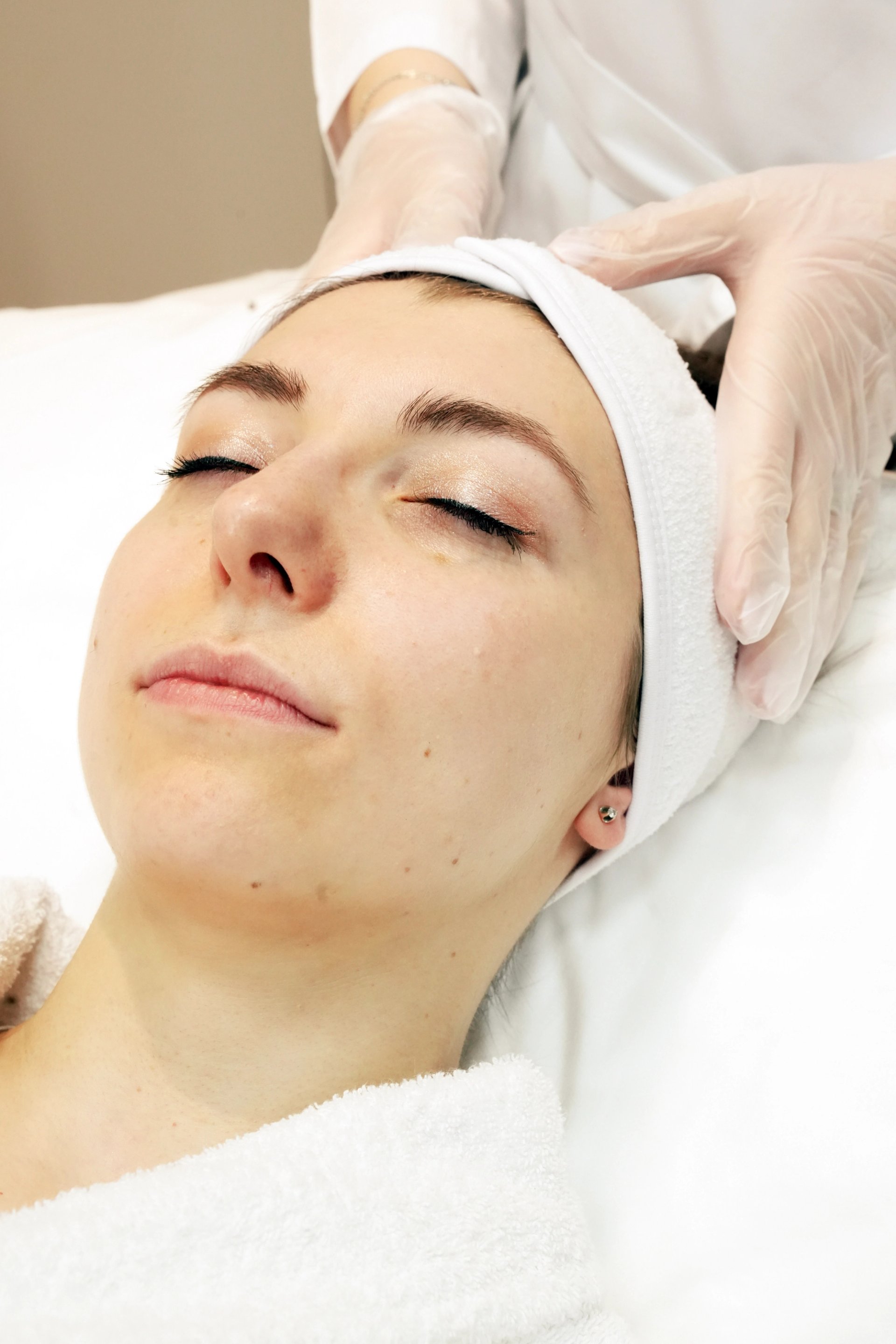

Why Chemical Peels Remain One of the Most Effective Skin Treatments
Chemical peels have been a cornerstone of dermatology for over a century, and for good reason. They deliver measurable improvements in skin texture, pigmentation, acne, and fine lines at a fraction of the cost of laser treatments. Yet many patients hesitate because they do not know what to expect during recovery. This guide changes that.
Understanding Peel Depths
Not all chemical peels are created equal. The key factor is depth of penetration, which determines both the intensity of results and the recovery time.
Superficial Peels (Lunchtime Peels)
These use mild acids like glycolic acid (AHA) or salicylic acid (BHA) at lower concentrations. They target the outermost layer of skin (epidermis) and are ideal for brightening dull skin, unclogging pores, and mild pigmentation. Downtime is minimal — typically just a day or two of slight flaking.
Medium-Depth Peels
Using stronger concentrations of TCA (trichloroacetic acid) or combination formulas, medium peels penetrate into the upper dermis. They are highly effective for sun damage, moderate pigmentation, fine lines, and acne scarring. Expect 5–7 days of visible peeling.
Deep Peels
Reserved for significant skin concerns, deep peels use phenol or high-concentration TCA. These deliver dramatic results but require careful medical supervision and longer recovery. At INNODERM, we assess each patient individually to determine the appropriate depth.
Your Day-by-Day Recovery Timeline
Day 1: Immediately After
Your skin will feel tight and look flushed, similar to a sunburn. For medium peels, you may notice a white "frosting" pattern where the solution was applied. This is completely normal. Apply the gentle moisturiser we provide and avoid touching your face.
Days 2–3: Tightening and Darkening
The treated skin may darken to a brown or bronze shade. This is the damaged skin preparing to shed. Resist the temptation to pick or scratch. Keep the skin well moisturised and avoid direct sunlight.
Days 3–5: The Peeling Begins
This is when the magic happens. Skin will begin to flake and peel, often starting around the mouth and chin. The peeling can look dramatic but is entirely painless. Let it happen naturally — forcing it off can cause scarring or uneven results.
Days 5–7: Fresh Skin Emerges
As the old skin sheds, the new skin underneath is revealed: smoother, brighter, and more even-toned. It will appear pink for a few days. This is the perfect time to begin applying SPF 50 religiously.
Days 7–14: Final Results Develop
Pinkness fades and your final results become visible. Collagen remodelling continues beneath the surface for weeks after, meaning your skin will keep improving for up to 3 months.
Is It Safe for Darker Skin Tones?
This is an important question. Deeper skin tones (Fitzpatrick types IV–VI) carry a higher risk of post-inflammatory hyperpigmentation with certain peels. At INNODERM, we carefully select peel formulations and concentrations appropriate for your skin type. We may also recommend a pre-treatment regimen to prepare the skin and minimise any risk.
Can I Get a Peel in Summer?
While spring and autumn are traditionally considered the best seasons for peels, superficial peels can be safely performed year-round with proper sun protection. For medium and deep peels, we recommend scheduling them when you can avoid prolonged sun exposure during the recovery period.
How Many Peels Do I Need?
For superficial peels, a course of 4–6 treatments spaced 2–4 weeks apart delivers the best results. Medium peels may only need 1–3 sessions depending on the concern. Your INNODERM practitioner will create a personalised treatment plan during your consultation.
Ready to Resurface?
Chemical peels are one of the most cost-effective ways to transform your skin. Book a skin assessment at INNODERM and we will recommend the right peel type and depth for your specific concerns and skin type.
Chemical Peels
Resurface, brighten, and renew your skin with our medical-grade peels.
LEARN MORE
Dr. Mariia Pohoretska
GMC-Registered Medical Practitioner
Dr. Mariia is a GMC-registered medical practitioner with a passion for evidence-based aesthetic medicine. She combines medical expertise with a deep understanding of facial anatomy to deliver safe, natural-looking results.