+£50 to price below
£200
£450
£250
£560
£320
£720
£350
£780
£200
£450
£125
£280
£50


Acne Treatments: A Comprehensive Guide
Acne is a prevalent skin condition stemming from complex metabolic disruptions within the skin. It involves excessive sebum production, impaired follicular keratinization, bacterial colonization, and progressive inflammation of the sebaceous glands. Over time, these factors lead to blocked sebaceous gland ducts, swelling, and the formation of abscesses. Without timely and appropriate intervention, acne can worsen, increasing the number of pustules and deteriorating overall skin health.
Acne arises from a combination of factors, with genetics and hormonal imbalances playing key roles. Hyperandrogenism — characterized by the overproduction of androgens (“male” sex hormones) or heightened sensitivity to them — is a significant contributor. Even with normal androgen levels, some individuals develop acne due to their sebaceous glands’ increased response to these hormones.
Dietary factors have long been debated in acne development. However, research confirms that consuming high-glycemic foods, chocolate, whole cow’s milk, saturated fats, and trans fats exacerbates acne. Additionally, mechanical acne can result from comedogenic cosmetics, environmental pollutants, and physical irritation caused by friction or pressure.
Studies indicate that over 80% of people experience acne at some point in their lives. Although acne often begins in adolescence (ages 10-18), it can persist into adulthood, leading to severe forms characterized by nodules, cysts, and eventual scarring. These scars can cause significant cosmetic concerns, necessitating treatments like acne scar removal.
Beyond physical symptoms, acne frequently impacts mental health, self-esteem, and social interactions, making effective treatment essential for improving patients’ quality of life and psychological well-being.
Acne manifests in diverse forms, sometimes as an independent condition and other times as part of underlying systemic issues, such as endocrine or gastrointestinal disorders. It may also result from poor dietary habits, low-quality cosmetics, or excessive sweating. Therefore, treatment strategies must be tailored to the underlying cause, disease stage, and clinical presentation.
Dermatologists typically classify treatments into local (for mild to moderate acne) and systemic (for severe cases) approaches. Regardless of severity, comprehensive treatment plans are crucial for optimal outcomes. Effective therapies often combine proven clinical methods, including:
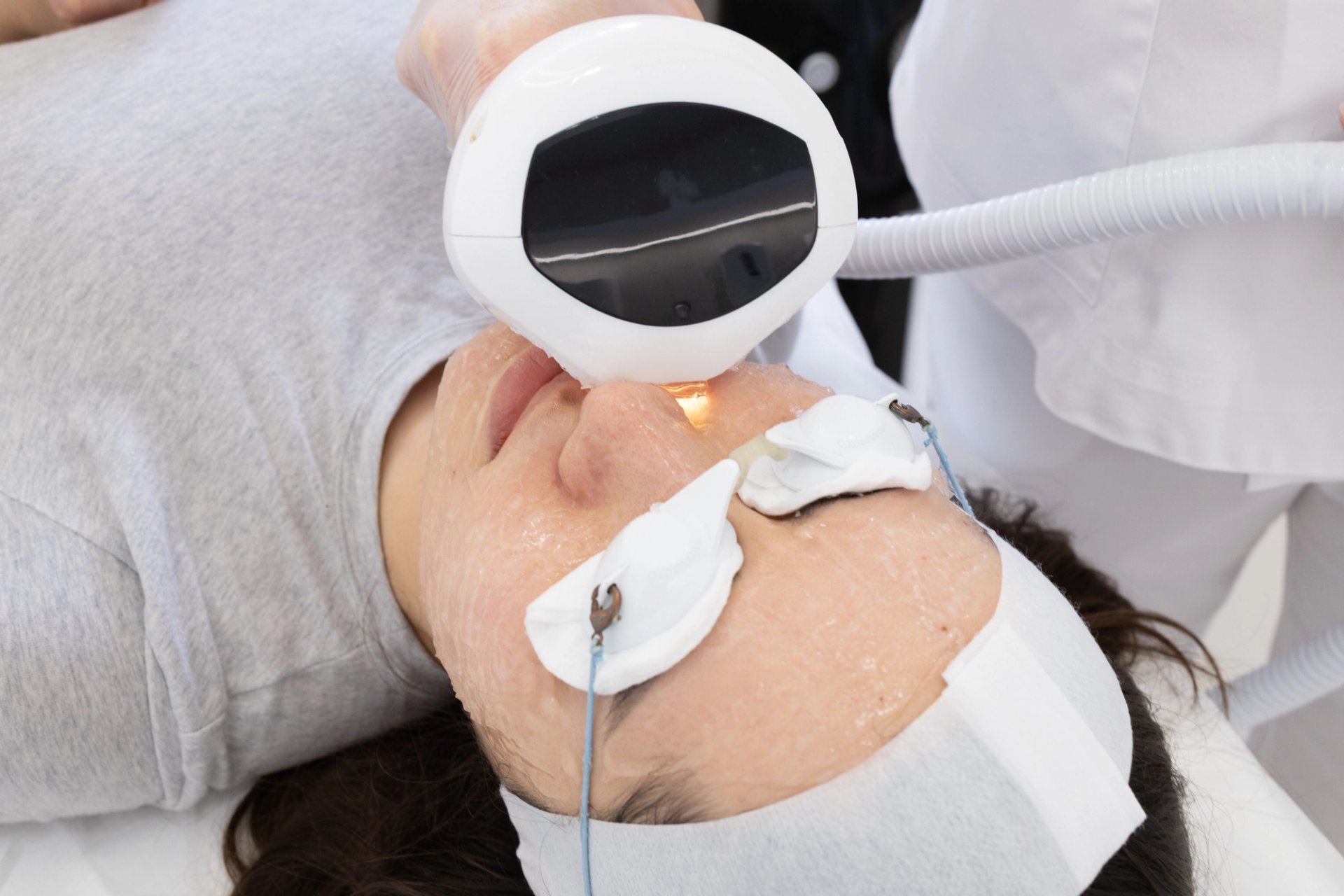
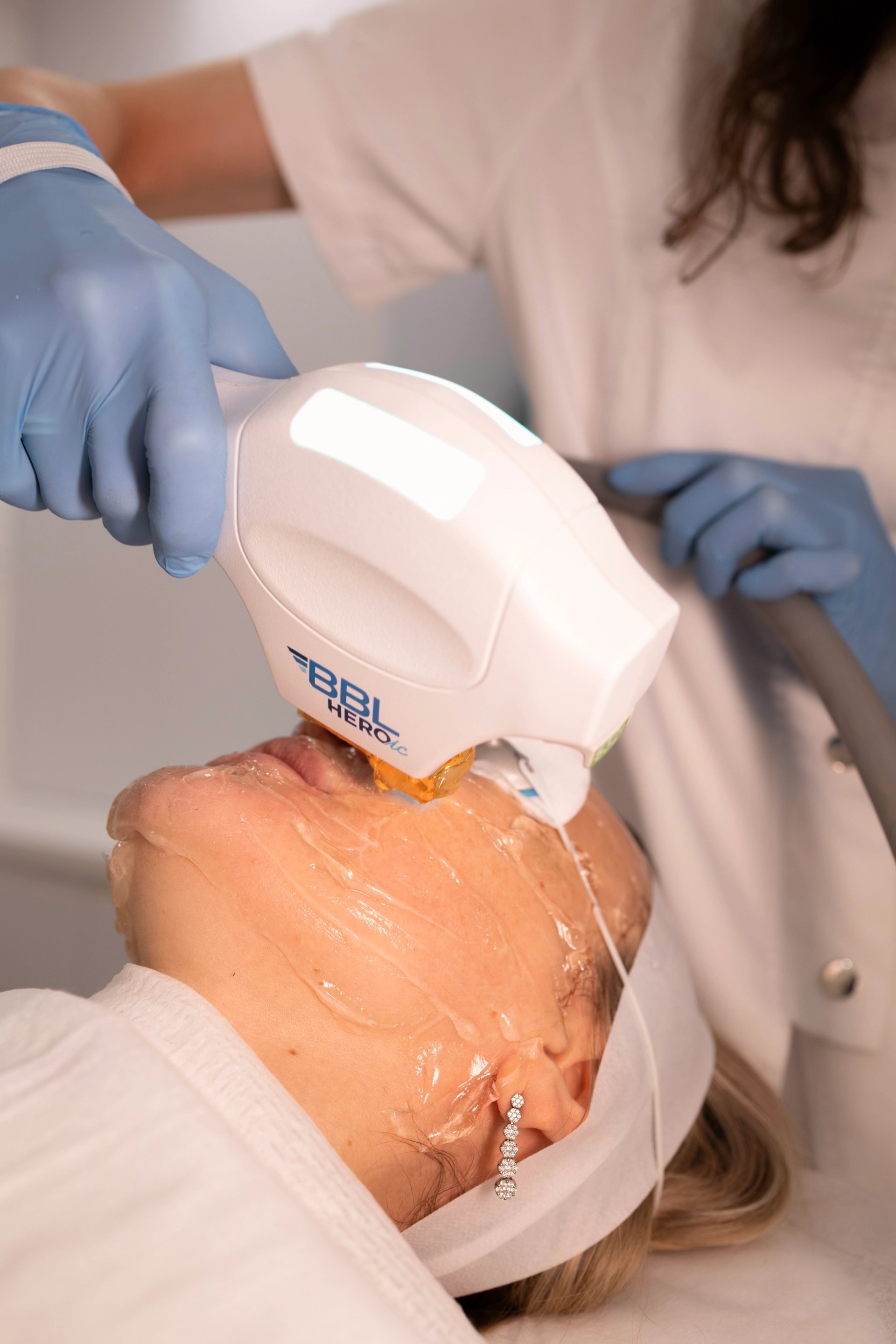
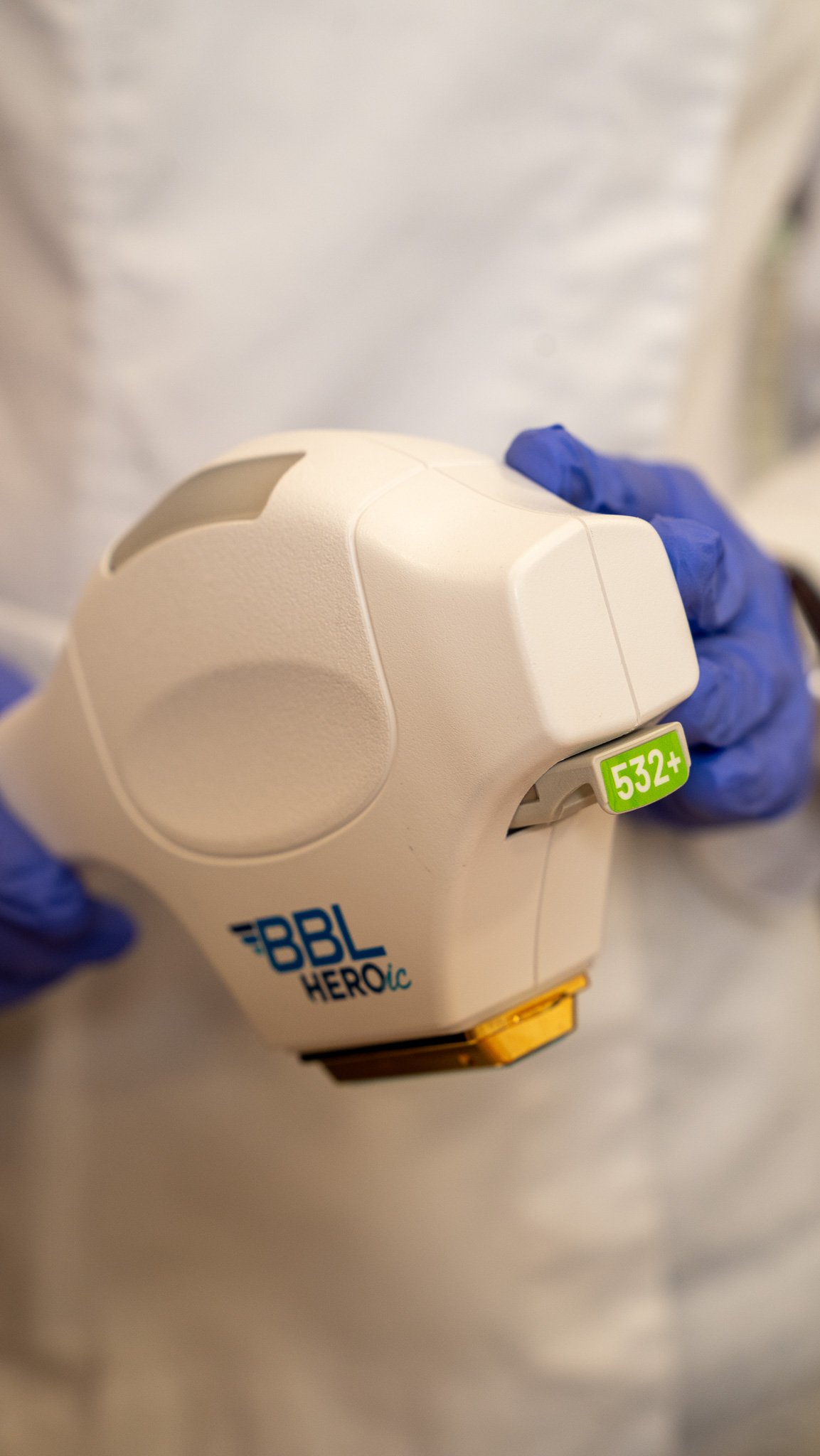
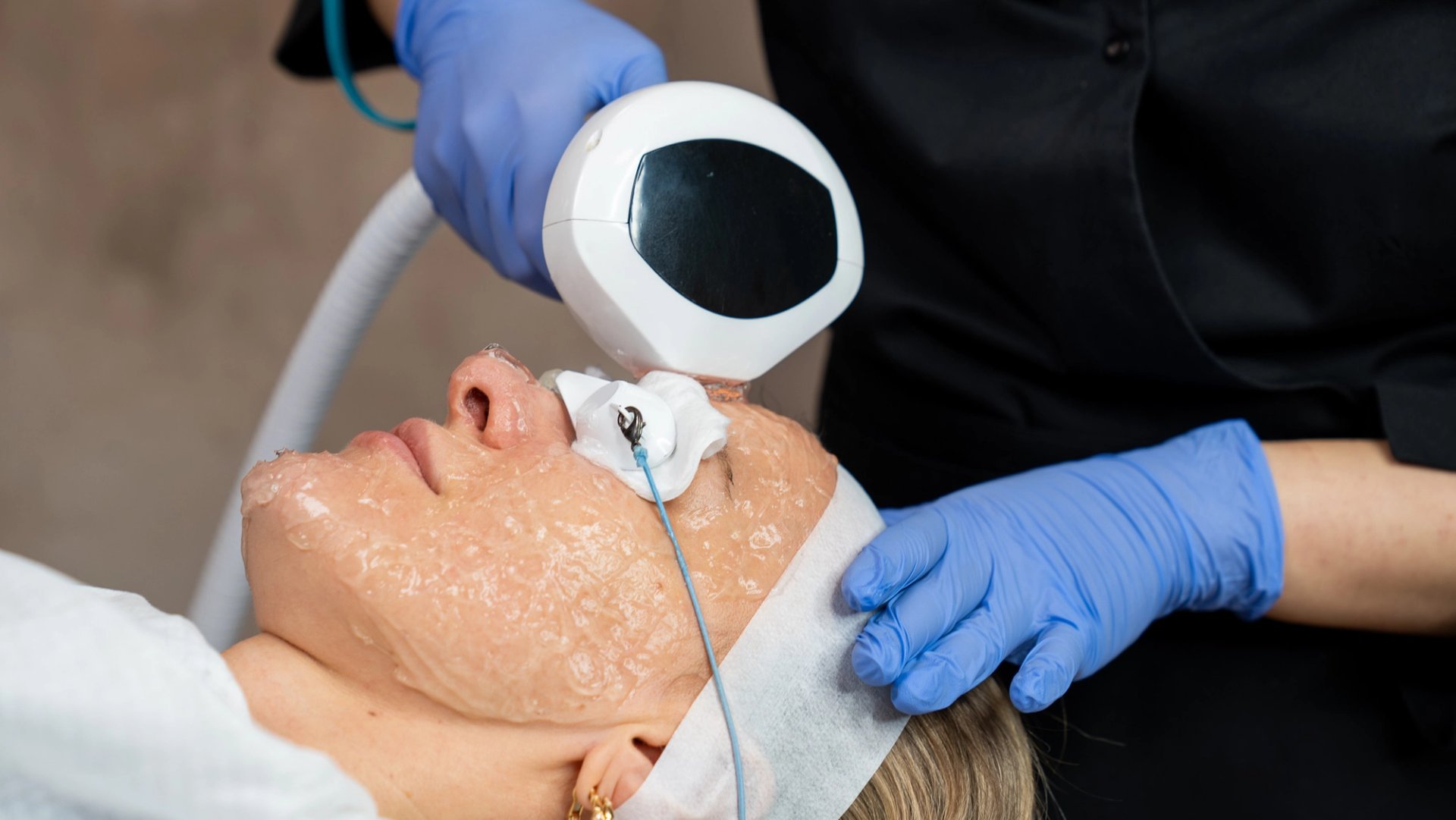
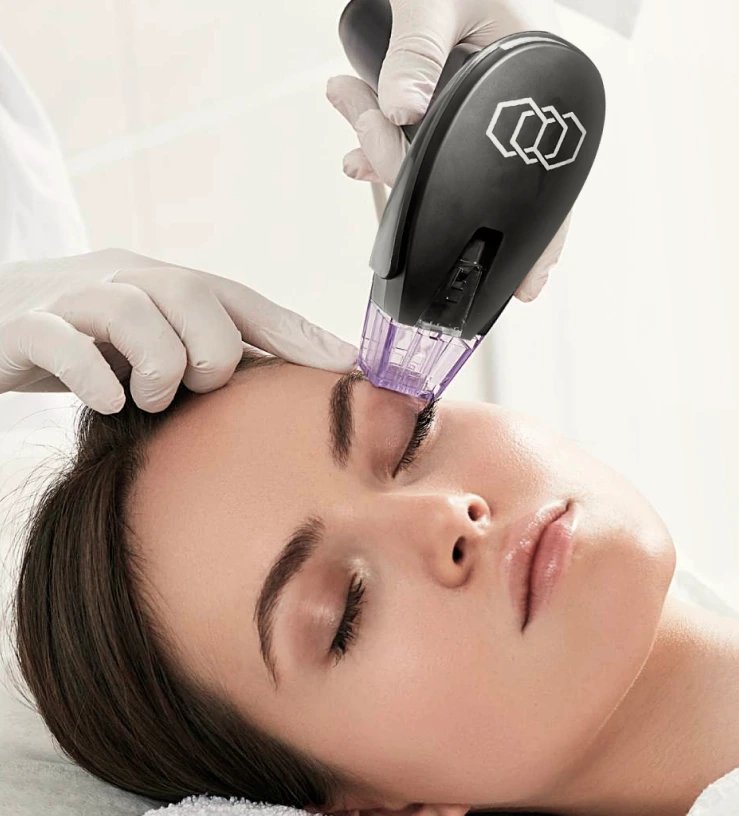
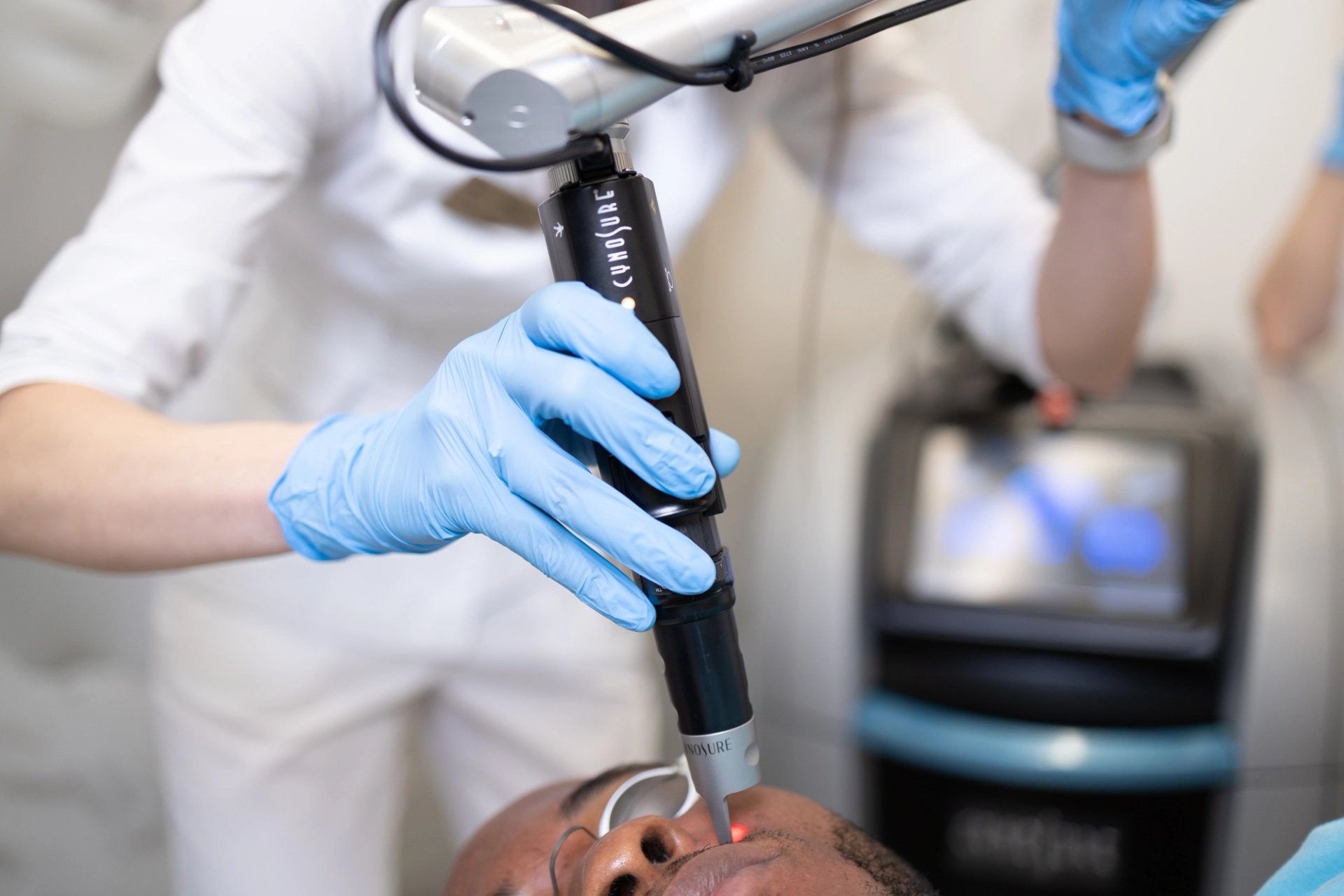
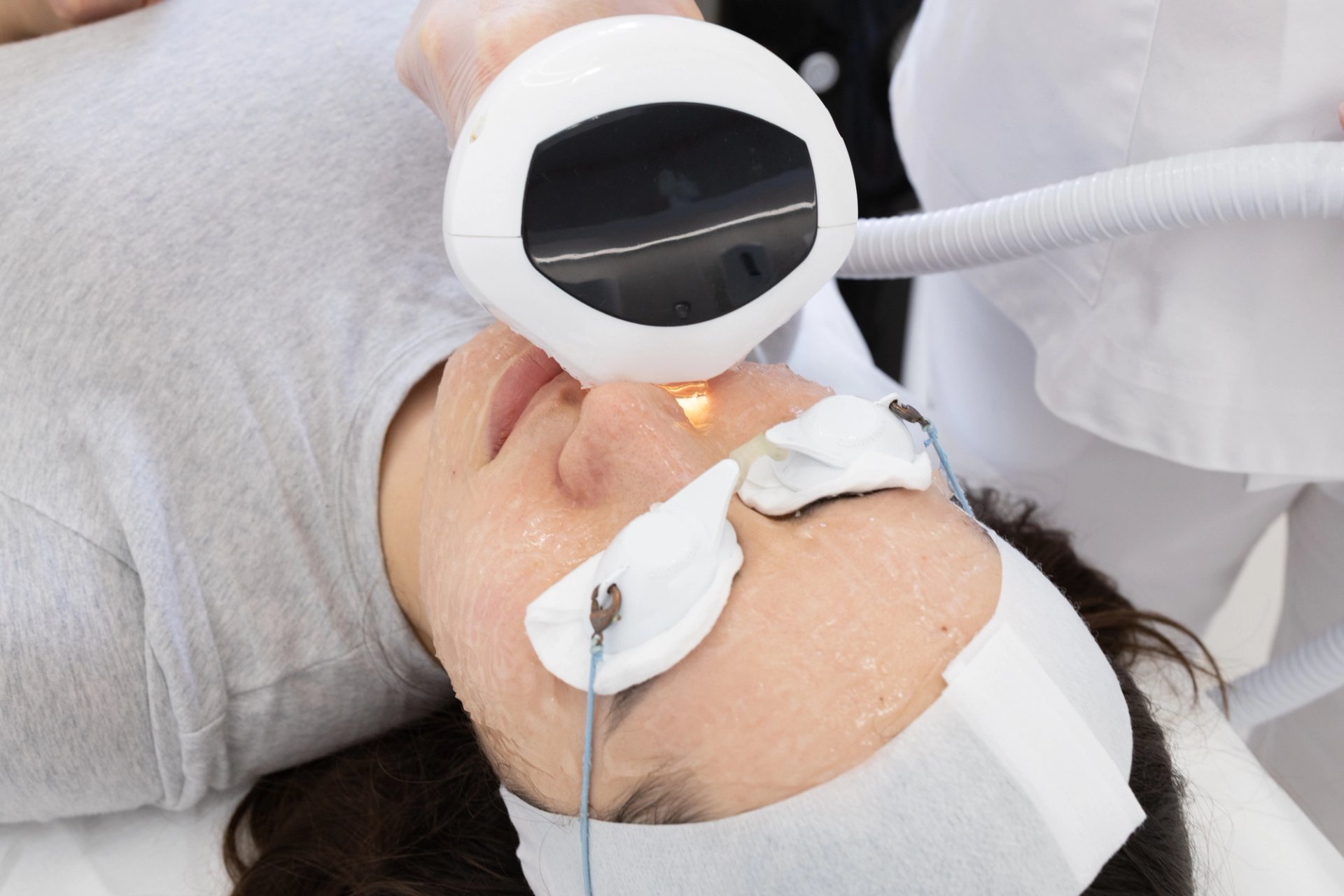
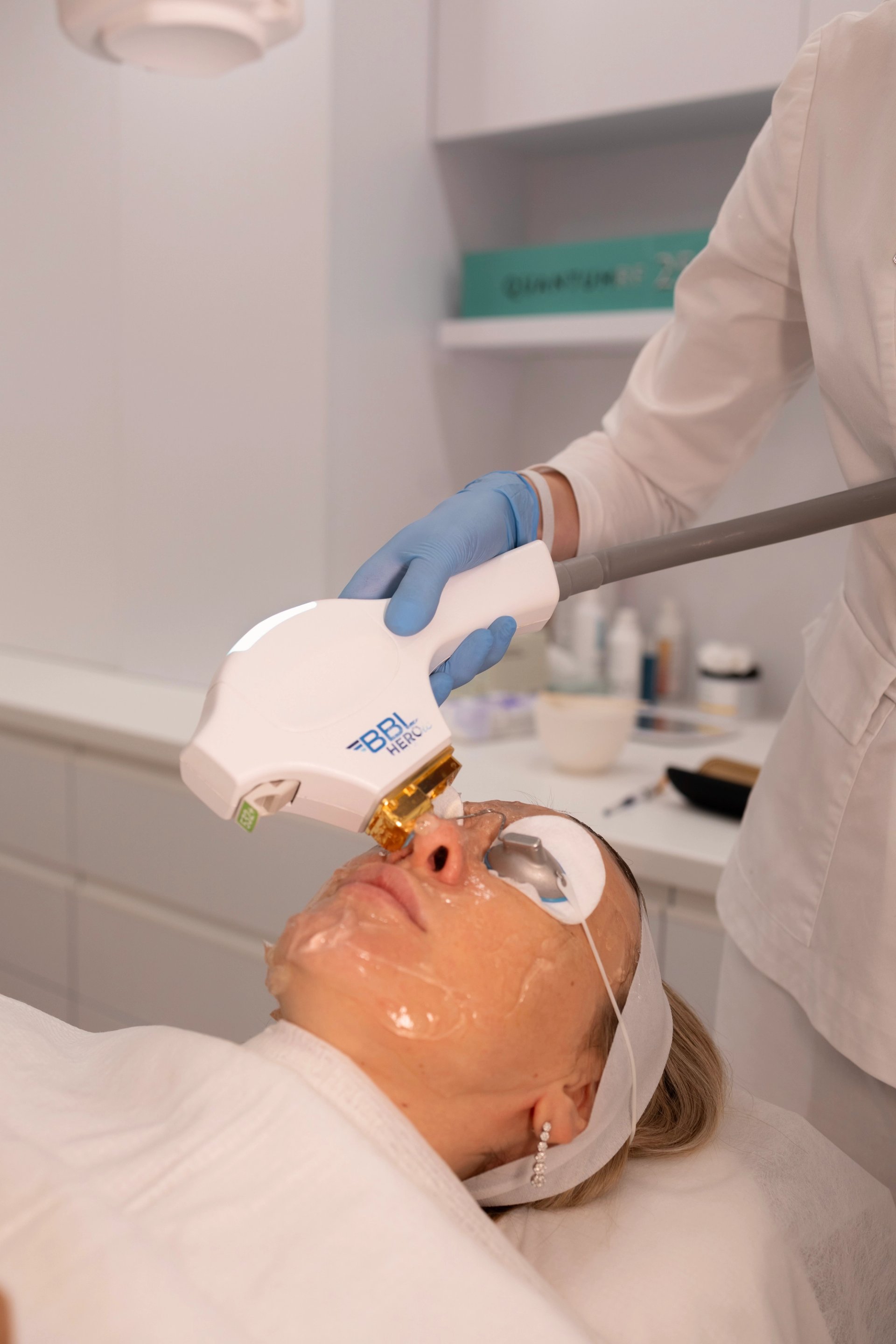
Advanced laser technology offers precise and effective acne treatment. Certified semiconductor lasers target affected skin areas by penetrating deeply to sclerose vessels that supply sebaceous glands. This process reduces excessive sebum production while destroying the protein structures of acne-causing bacteria and mites.
Laser sessions are typically conducted every 10 days, with noticeable improvement often evident after the first treatment. Depending on the severity of the condition, 3-5 sessions may be required for thorough sterilization and healing.
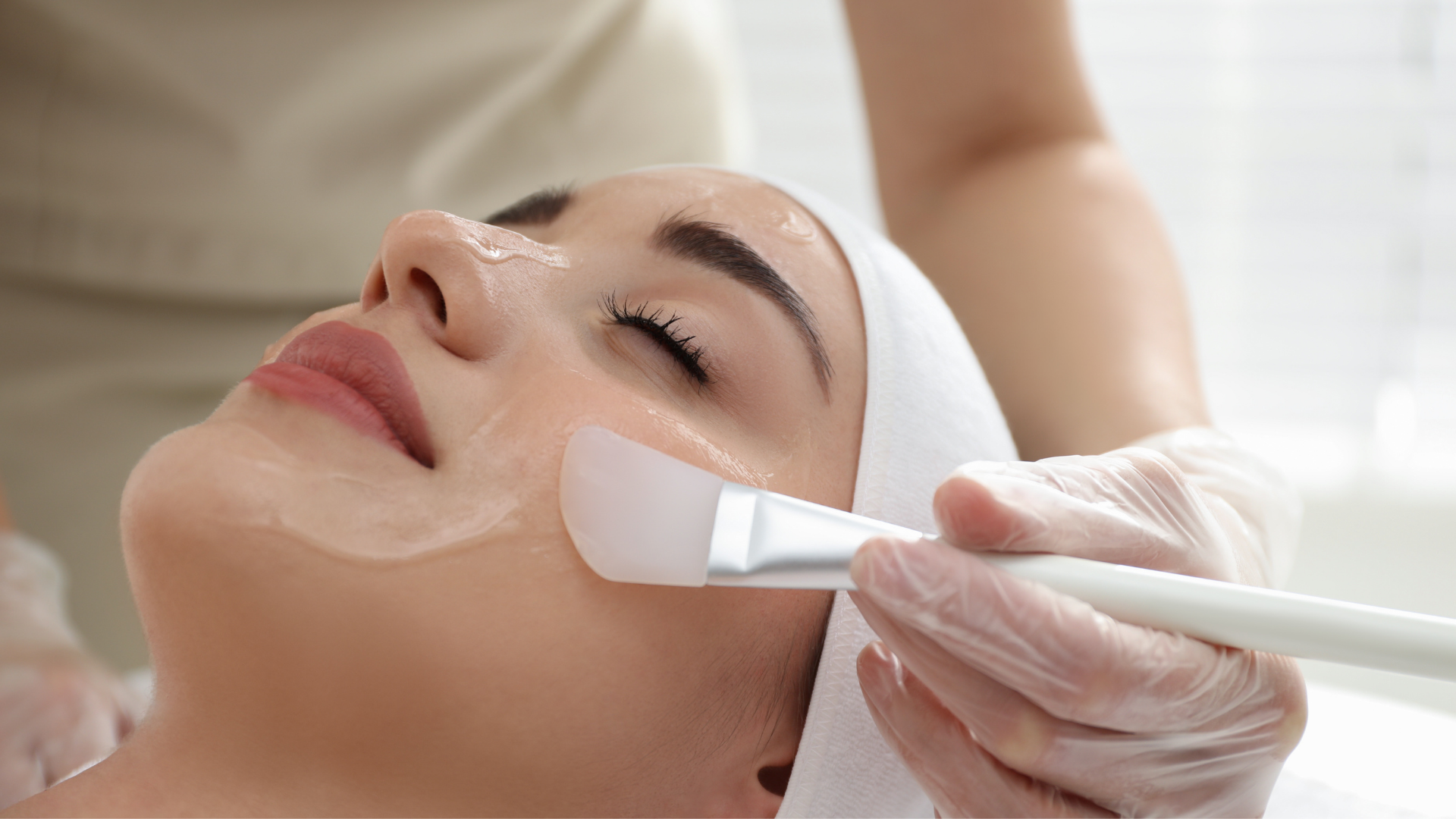
Chemical peels are a popular, cost-effective solution for acne treatment. They target excessive keratinization at sebaceous gland openings using alpha hydroxy acids such as salicylic, azelaic, glycolic, and lactic acids. These peels also offer anti-inflammatory and antibacterial benefits, reduce sebum production, and enhance the absorption of topical medications.
Pharmacological approaches vary depending on acne severity and presentation. Dermatologists select from a range of scientifically validated drugs tailored to individual needs.
Home care plays a pivotal role in managing acne. Dermatologist-recommended products, often hypoallergenic and containing anti-inflammatory and moisturizing properties, can significantly enhance treatment outcomes. Many pharmaceutical and cosmetic brands offer specialized “anti-acne” products available in pharmacies or online.
To maximize treatment effectiveness, adopting a healthy lifestyle and balanced diet is crucial. Patients should avoid:
Additionally, activities such as swimming in chlorinated pools, saunas, facial massages, and pimple extraction should be avoided during acute and subacute stages. Maintaining these precautions can help prevent the need for extensive procedures like laser treatments for acne scars.
Effective acne treatment requires a holistic approach, combining advanced medical techniques with lifestyle adjustments. By addressing both the physical and psychological impacts of acne, patients can achieve healthier skin and improved overall well-being.