

TL;DR
Yes — Morpheus8 is FDA-cleared and safe when performed by a trained, licensed provider on a suitable candidate. Most reported complications trace back to inexperienced practitioners or skipped aftercare, not the technology itself.
Is Morpheus8 Safe? The Truth Behind the Myths
Is Morpheus8 safe? It's one of the most-searched questions in aesthetics right now — search it and you'll find glowing before-and-afters promising a non-surgical facelift right alongside horror stories claiming the treatment "ruined" someone's skin. So which is it?
The honest answer: Morpheus8 is a safe, FDA-cleared treatment with a strong track record — when performed by a properly trained provider on the right candidate. Most of the scary stories trace back to a handful of preventable causes, not the technology itself. Here's what Morpheus8 actually does, why opinions are so divided, and the myths worth putting to rest before your consultation.
What Morpheus8 Actually Does
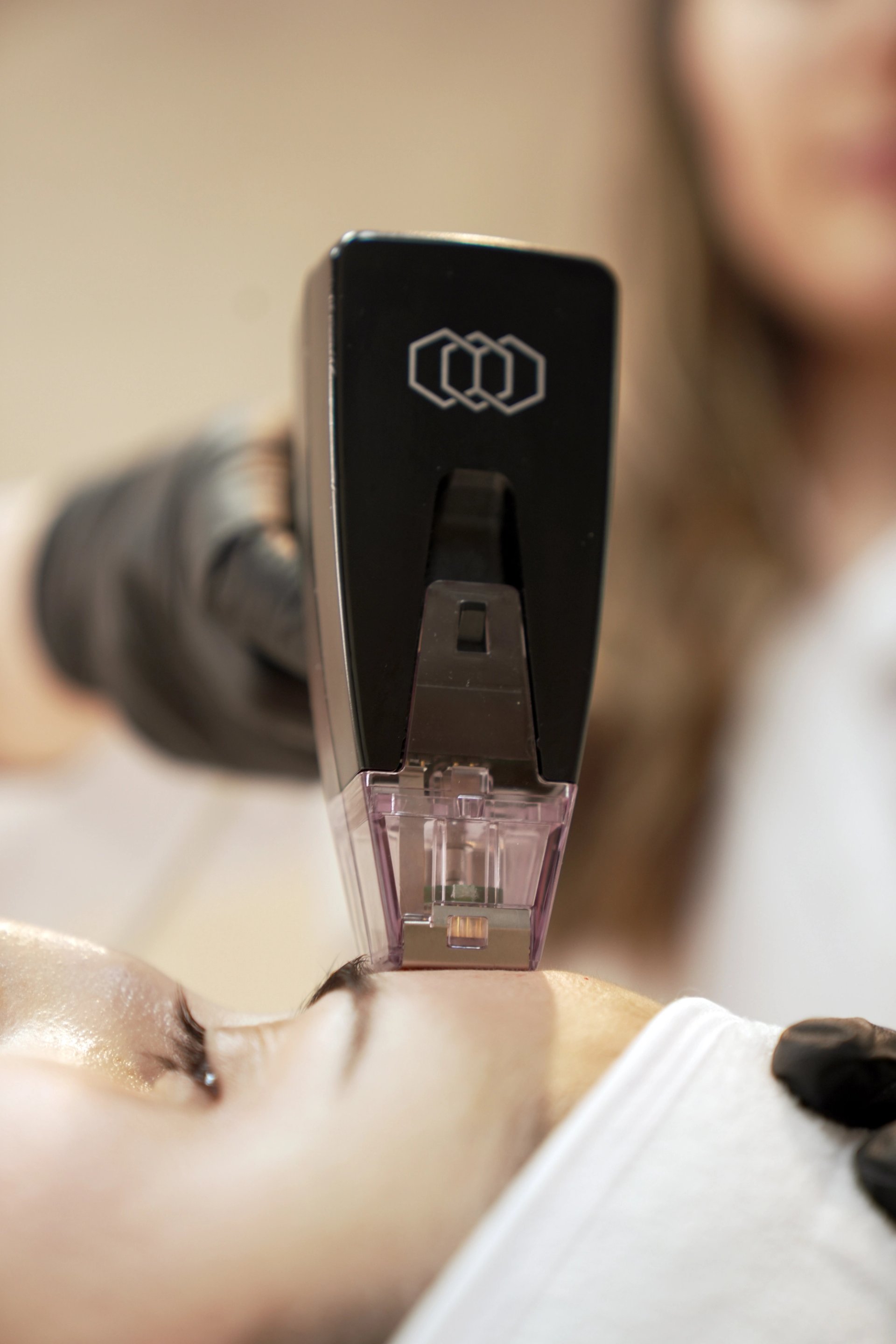
Morpheus8 combines microneedling with radiofrequency (RF) energy. Fine needles create controlled micro-injuries in the skin while RF energy heats the deeper layers — the dermis and, depending on depth setting, the fat layer beneath it. That heat triggers your body's natural healing response, prompting new collagen and elastin production over the following weeks.
Because needle depth is fully adjustable, an experienced provider can tailor treatment to your specific concern, from surface texture and acne scarring to deeper jawline and neck tightening.
Where the Scary Stories Come From
In late 2025, the FDA issued a safety communication about RF microneedling devices as a category, flagging complications like burns, scarring, facial fat loss, and nerve irritation.
Worth reading that message as intended, though: the FDA wasn't saying the technology is unsafe. It was reminding patients this is a medical procedure, not a spa treatment, and should only be performed by a licensed, trained provider working from a real assessment.
That distinction matters — reported complications cluster around a few recurring, preventable factors:
- Unqualified or unsupervised providers. Complications rise sharply when treatments are performed by staff without proper certification or physician oversight, often at discount pricing.
- Inappropriate depth or energy settings. Excessive needle depth in thinner-tissue areas like the jowls can cause more fat reduction than intended — a technique issue, not a device flaw.
- Skipped aftercare. Sun exposure, active skincare ingredients, or missed follow-up instructions can delay healing and worsen outcomes.
- Undisclosed skin conditions. Certain conditions or medications can raise risk if not flagged at consultation.
The technology itself has a strong safety and efficacy profile in clinical literature. Bad outcomes almost always come down to who held the device and how treatment was planned.
Common Morpheus8 Myths, Debunked
Myth: "It's a lunchtime treatment — no real prep or downtime."
Reality: Downtime is shorter than with ablative lasers or surgery, but prep still matters. A good provider sees you weeks ahead, reviews your skincare routine, and has you pause actives like retinol beforehand. Expect some redness, swelling, and pinpoint scabbing for several days after — not zero downtime.
Myth: "The needles make it basically surgery."
Reality: Morpheus8 is minimally invasive — extremely fine needles, no incisions, no general anesthesia. Results build gradually as your body remodels its own collagen, rather than through immediate surgical repositioning.
Myth: "Fat loss is always an unintended side effect."
Reality: Fat reduction at deeper settings is a real, expected effect — and sometimes the goal, such as softening a heavy jawline. Whether it's desirable depends on your anatomy, which is why an individualized plan matters.
Myth: "It doesn't work on darker skin tones."
Reality: Because RF energy works beneath the surface rather than targeting pigment, Morpheus8 is generally considered safe across a broad range of skin tones, unlike some traditional lasers. Still worth discussing your skin type at consultation.
Myth: "One session and you're done."
Reality: Most people need a short series of sessions, plus maintenance once or twice a year. Anyone promising single-session transformation is overselling.
How to Make Sure Your Treatment Is Safe
Safety comes down to the provider, not the device. Before booking anywhere, ask:
- Who is performing the treatment, and what's their training?
- Is there physician oversight?
- Will you get a proper consultation and skin assessment first — not just a same-day walk-in?
- Will your provider explain realistic aftercare and downtime?
At Innoderm, every Morpheus8 treatment starts with a full consultation, a personalized depth and energy plan, and clear aftercare guidance — because the gap between a great result and a cautionary tale almost always comes down to that groundwork.

Nataliia Shpikula
Aesthetic Therapist
Nataliia Shpikula is a UK-certified aesthetic professional with a VTCT Level 4 qualification and hands-on experience in a wide range of advanced aesthetic, laser and injectable treatments. In her practice, Nataliia combines professional knowledge, technical precision, attention to detail and a personalised approach to every client. She takes great responsibility in her work, continuously develops her professional skills and keeps up to date with the latest technologies and developments in aesthetic medicine and skincare. Nataliia is an open, warm and approachable professional who naturally builds positive relationships with her clients. She takes the time to listen, understand individual concerns and create an atmosphere of trust and comfort throughout every treatment. Her empathy and gentle approach allow her to consider not only a client's aesthetic goals, but also their personal expectations and concerns. Her professional expertise includes a wide range of advanced treatments, including: * Morpheus8 * BBL * MOXI * IPL Lumecca * PicoSure laser treatments * Laser hair removal * EvolveX body treatments * HydraFacial * Advanced facial cleansing * Professional chemical peels * Dermapen / microneedling * Polynucleotide treatments One of Nataliia's key strengths is her ability to combine technical expertise with a genuinely personalised and caring approach. She carefully assesses the condition of the skin and takes into consideration each client's individual needs, lifestyle and expectations when recommending the most appropriate treatment approach. Nataliia is passionate about achieving natural, balanced and refined results that enhance each client's individual features rather than changing their appearance. For Nataliia, it is important that every client receives not only a professionally performed treatment, but also feels heard, understood and confident in the hands of their practitioner. Her professional philosophy is built around three core principles: professionalism, responsibility and genuine care for every client.
On Instagram: @innoderm_uk · @dr.tyurdo