Book online

Pigmentation
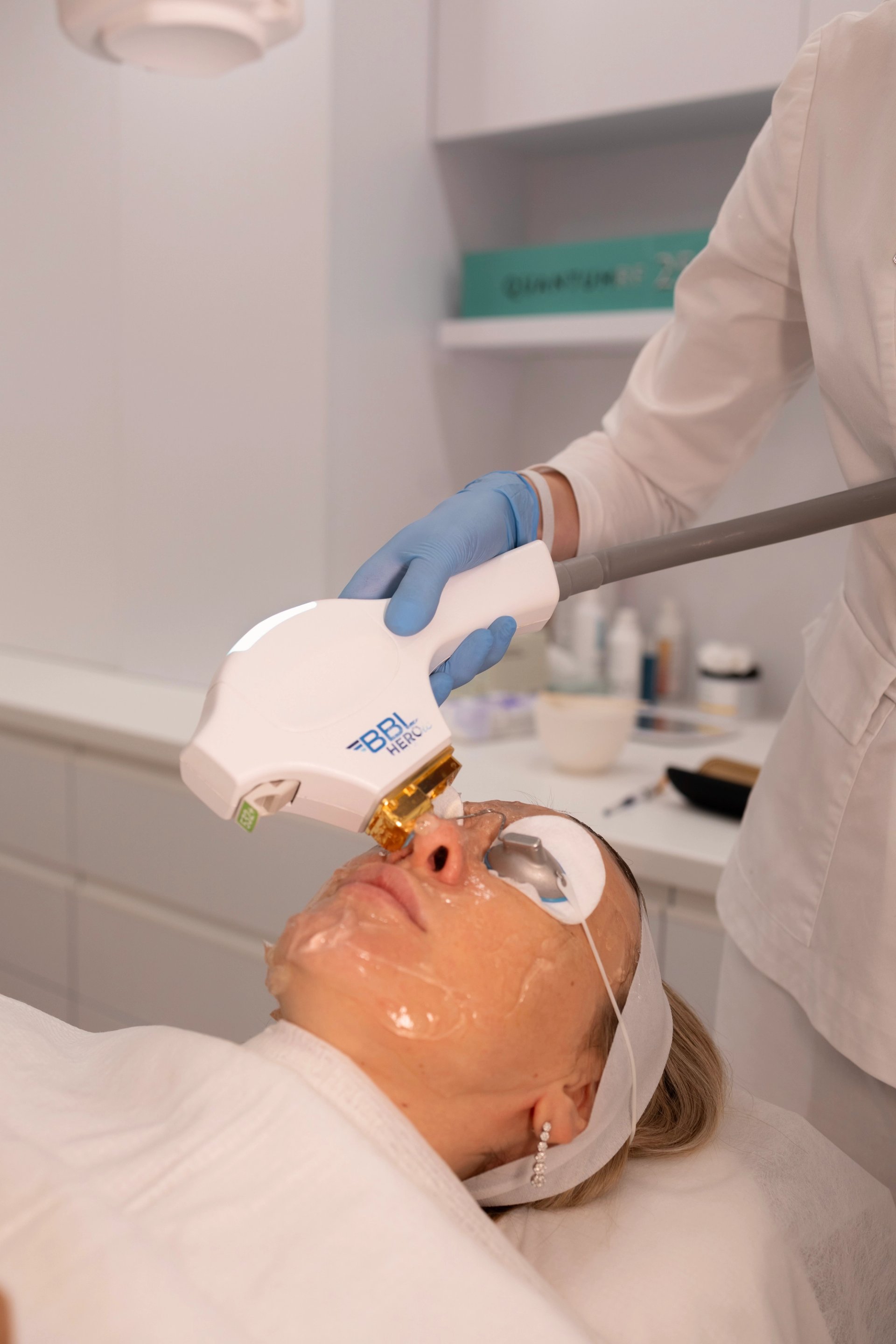
Treatment Lumecca

About the treatment

What is it used for?

    • Reducing and removing hyperpigmentation; 
    • Visible signs of skin photo-aging;
    • Age spots (red/brown pigmentations);
    • Freckles;
    • Sun damage.


doctor icon
Indications for treatment
  • Pigmented spots and freckles;
  • Age-related pigmentation spots;
  • Visible photo-aging signs on the neck, decolletage, and hands;
  • Cicatrixes, scars, stretch marks, dull skin;
  • Visible effects of sun radiation.
  • Pigmented spots and freckles.
doctor icon
Contraindications to treatment
  • Pregnancy and lactation;
  • Oncological diseases;
  • Diabetes mellitus and blood clotting problems;
  • Taking medications: antibiotics, aspirin, etc.;
  • Severe pathologies of internal organs;
  • A relative contraindication is a fresh tan on the area of the skin that needs treatment. In this case, the session date is postponed until 21-28 days to avoid side effects such as micro burns;
  • Diseases of the psyche and nervous system;
  • Dermatological diseases in the acute stage and acute form of herpes.

PRICE

Course of 1
Course of 3 (25% OFF)
Treatment with Nataliya Tyurdo

+£50 to price below

Full Face

£200

£450

Full Face + Neck

£250

£560

Full Face + Décolletage

£320

£720

Full Face + Neck + Décolletage

£350

£780

Neck / Décolletage

£200

£450

Forehead / Cheek / Nose / Chin (One Area)

£125

£280

Area by 5*5 cm

£50

PRICE

New Lumecca Max Peak
Course of 1
Course of 3
Full Face
£250
£675
(£225/ses.)
Full Face + Neck
£300
£810
(£270/ses.)
Full Face + Neck + Décolletage
£400
£1080
(£360/ses.)
Neck / Décolletage
£250
£675
(£225/ses.)
Forehead / Cheek / Nose / Chin (One Area)
£175
£470
(£157/ses.)
Area by 5*5 cm
£100
£270
(£90/ses.)

Before / After

Video

Preparation for the treatment

    • It is not recommended to visit the sauna or swimming pool or take thermal treatments 3 days in advance before the treatment;
    • It is forbidden to drink alcoholic beverages 48 hours in advance before the treatment;
    • Do not succumb to insolation (sunbathe) two weeks in advance before the treatment;
    • It is forbidden to use and take photosensitizing drugs (some antibiotics, retinol, etc.) 14 days in advance before the treatment;
    • Before the treatment, you must remove contact lenses if you are wearing them;
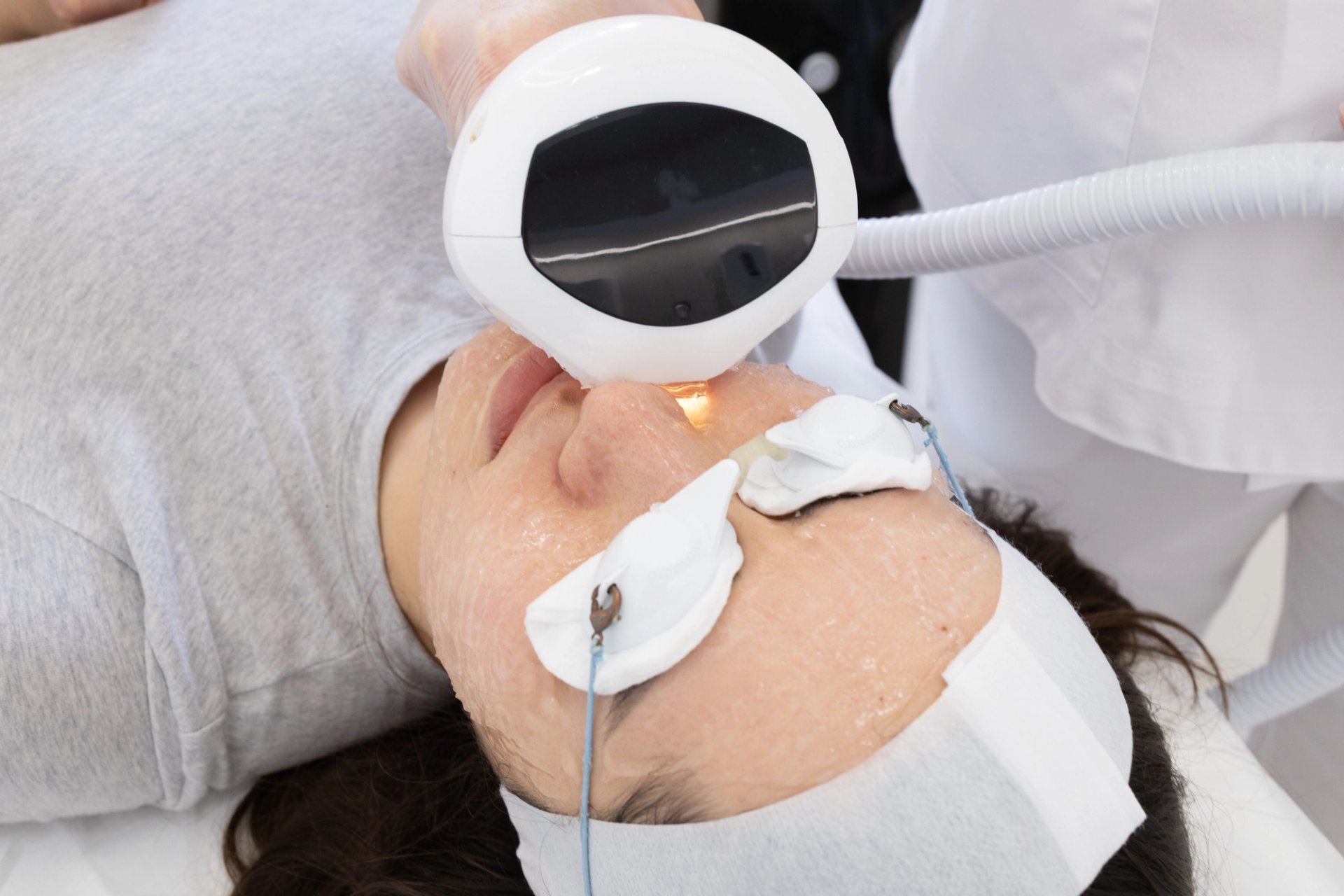
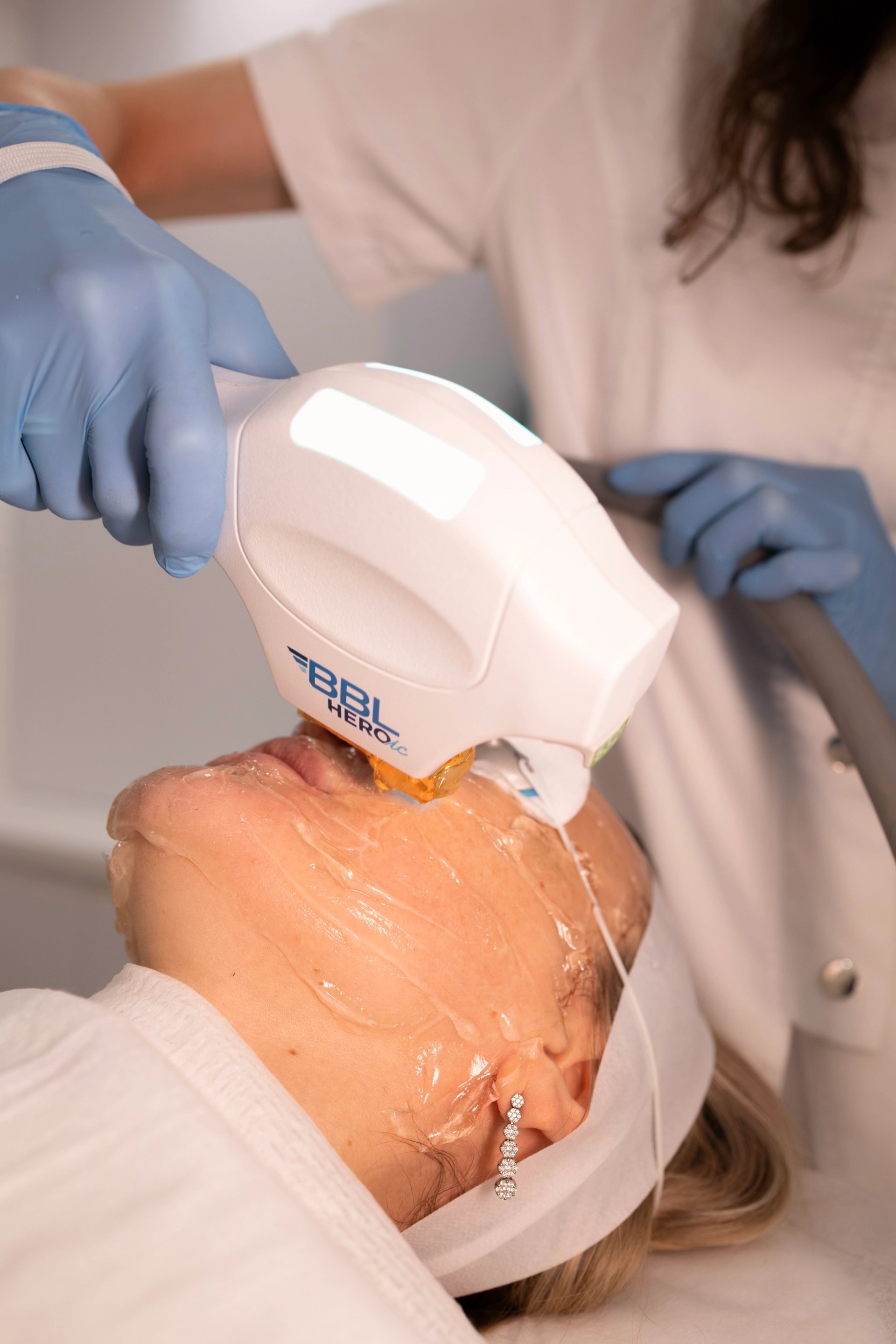
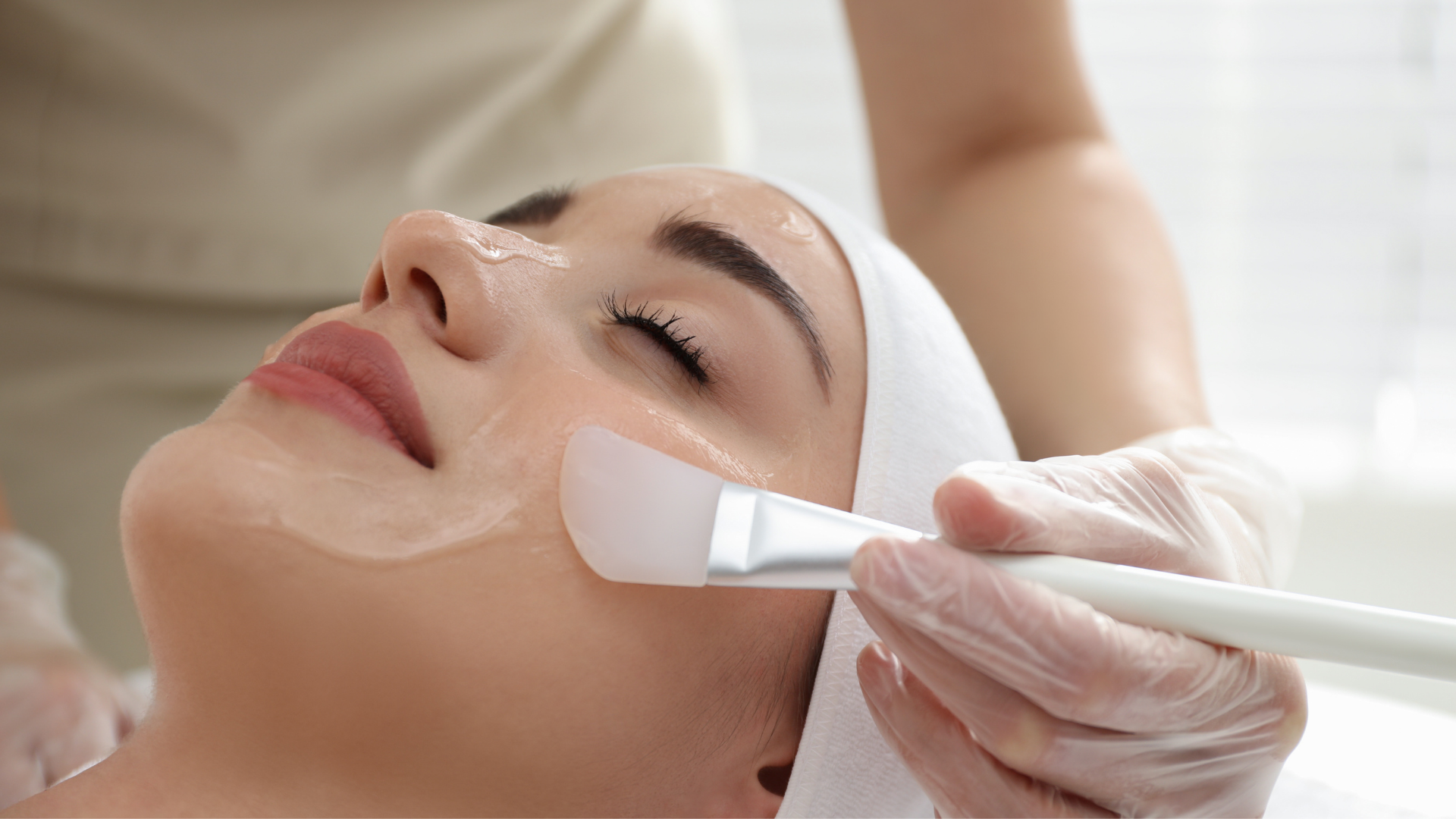
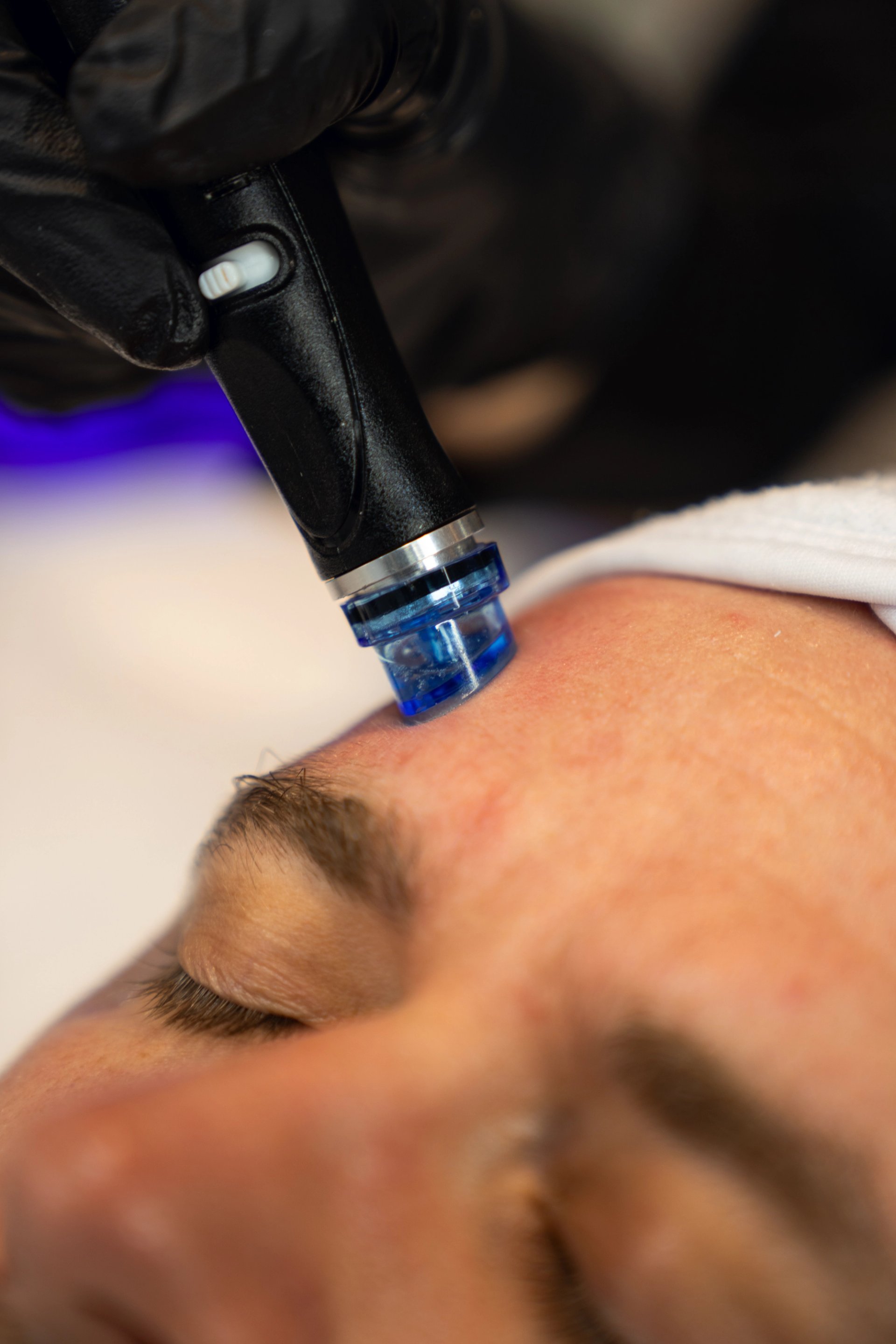
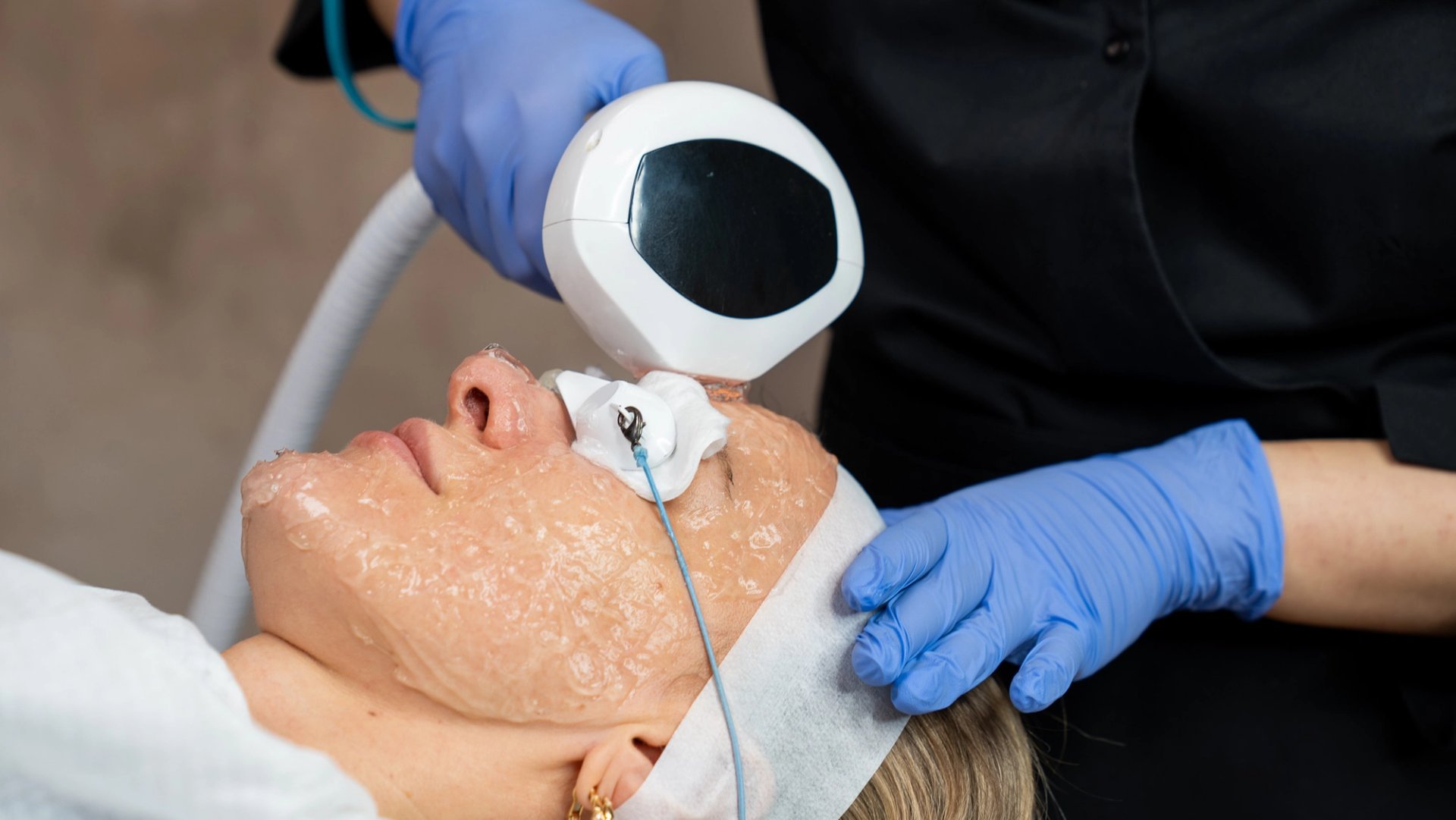
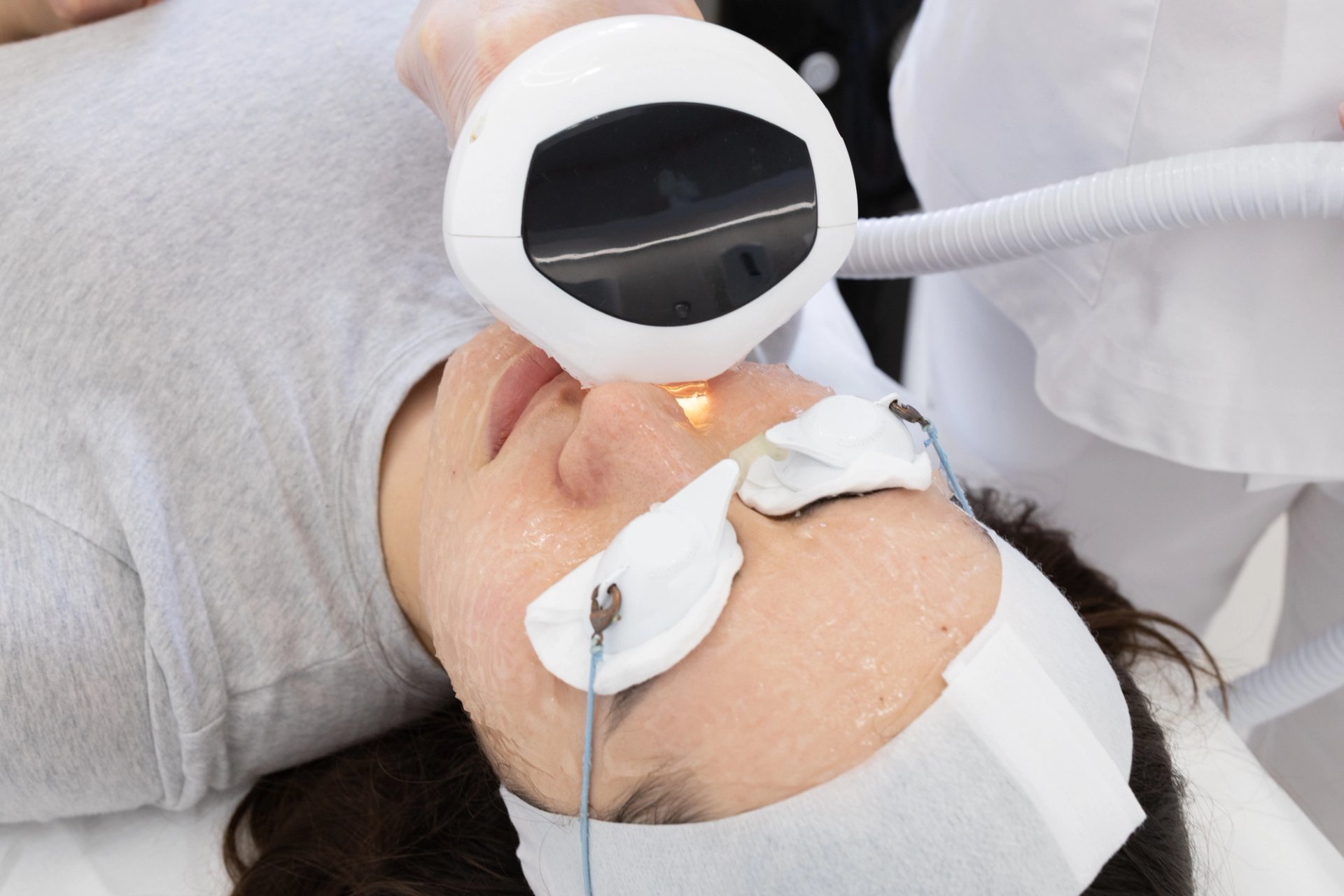
    • Before the treatment, the doctor applies a special gel, which is necessary to maintain complete contact with the nozzle with the skin.
      Clean the area with a special lotion or tonic;
    • Avoid taking anticoagulants for 7-10 days in advance before the treatment if it is medically acceptable.

Aftercare

    • After 2-3 days, the age spots darken and peel off like a tan within 10-14 days;
    • There may be edema at the treatment area, or small hematomas (bruises) can appear, which gradually disappear within a week;
    • It is not recommended to visit baths, sauna, solarium and sunbathe for 2-3 weeks;
    • To prevent the occurrence of new age spots, it is necessary to apply sunscreen with a high level of protection (at least SPF 50);
    • The rehabilitation process lasts individually from 2 to 14 days;
    • Be sure to monitor the skin condition and consult the doctor on 3/5/7 day after the treatment (by sending a photo report);
    • Follow all the recommendations of the cosmetologist who has performed the treatment;
    • Do not self-medicate so as not to harm the natural rehabilitation period.

Would you like book an appointment?

Our contacts

Work hours
Mon-Fri
09:00–20:00
Sat
09:00–19:00
Sun
Closed
socials
Address
19-21 Great Tower Street, London, EC3R 5AR Google map >
Address
19-21 Great Tower Street, London, EC3R 5AR Google map >

Understanding Pigmentation and Its Treatment

The way we look and feel significantly impacts our quality of life. Facial pigmentation, while not always a health risk, can cause considerable aesthetic discomfort, leading to stress and diminished confidence. Fortunately, modern dermatological advancements provide effective and painless solutions for pigmentation treatment.

What is Pigmentation?

Pigmentation refers to the discoloration of the skin caused by melanocytes — cells responsible for producing melanin, the pigment that gives skin its color. This condition manifests as dark spots, often referred to as freckles, age spots, or melasma. While pigmentation is generally a cosmetic concern, understanding its causes is essential for selecting the most appropriate treatment.

Common Causes of Pigmentation

Pigmentation can result from various factors, including:

  • Genetic predisposition;
  • Nutritional deficiencies. Lack of vitamins B, A, C, PP, and minerals such as copper, zinc, and iron;
  • Hormonal imbalances. Issues with the endocrine system or thyroid gland;
  • Chronic health conditions. Disorders affecting the gastrointestinal tract, liver, or nervous system;
  • Pregnancy and lactation;
  • Skin trauma. Scarring from acne, burns, insect bites, or reactions to poisonous plants;
  • Sun exposure. Overexposure to ultraviolet (UV) rays leading to solar or thermal burns;
  • Chemical exposure. Contact with harmful chemicals or prolonged use of certain medications;
  • Improper skin care practices. Use of irritating cosmetics or mishandling of treatments like chemical peels;
  • Age-related changes. Hormonal shifts and chronic conditions after age 50.

Types of Pigmentation

Understanding the type of pigmentation is key to determining the right treatment approach. There are such types of pigmentation:

  • Nevi (birthmarks). Benign clusters of melanocytes that may appear at birth or later in life;
  • Lentigo (age spots). Brown or dark-brown spots caused by sun exposure, often accompanied by keratosis;
  • Sunspots. Triggered by excessive UV exposure, commonly found on the face, décolleté, and shoulders;
  • Chloasma. Hormonal pigmentation occurring during pregnancy, often fading post-delivery;
  • Photosensitivity. Increased skin sensitivity to UV rays due to certain medications or cosmetics;
  • Freckles (ephelides). Common in lighter-skinned individuals, often intensifying in summer.

Modern Treatments for Pigmentation

Advances in dermatology offer several effective pigmentation treatments, tailored to individual needs:

  1. Medical Bleaching Agents.
    Skin-lightening creams with active ingredients that target melanocytes;

  2. Chemical Peels.
    Exfoliating treatments using acids to remove the surface layer of skin:

    • Superficial peels. Alpha hydroxy acids (AHA);
    • Medium-depth peels. Trichloroacetic acid;
    • Deep peels. Phenolic acid;
  3. Mesotherapy.
    Injection-based treatment delivering vitamins and amino acids to the skin to reduce pigmentation and promote an even tone;

  4. Selective Phototherapy.
    A non-invasive procedure using light waves to break down melanin. The process is safe and minimally discomforting, with noticeable results in just a few sessions;

  5. Laser Pigmentation Removal.
    A highly effective method for targeting localized pigmentation. It not only removes visible discoloration but also enhances overall skin tone. Post-treatment spots initially darken before lightening or disappearing within a week. A typical course involves 3-5 sessions.

Preventing Hyperpigmentation

Preventative care is essential, especially during summer months when UV exposure is at its peak. Here are some expert recommendations:

  • Avoid prolonged sun exposure and tanning beds;
  • Wear protective clothing, such as wide-brimmed hats and lightweight fabrics, to shield the skin;
  • Use broad-spectrum sunscreens with SPF 30 or higher;
  • Incorporate antioxidant-rich serums into your skincare routine to combat environmental damage.

By taking these precautions, you can significantly reduce the risk of hyperpigmentation and maintain healthy, radiant skin.

Conclusion

Pigmentation treatment requires a tailored approach, guided by experienced dermatologists or licensed cosmetic professionals. Whether through topical applications, chemical procedures, or advanced laser therapies, addressing pigmentation is now more accessible than ever, allowing individuals to restore their confidence and achieve healthier-looking skin.

Booking online
×