

The Biggest Trend in Aesthetic Medicine Right Now
If you follow the world of aesthetic medicine, you have probably heard the buzz around polynucleotides. UK searches for this treatment have surged 188% in the past year alone, making it the fastest-growing aesthetic procedure in the country. But what exactly are they, and why is everyone so excited?
What Are Polynucleotides?
Polynucleotides (often abbreviated as PN or PDRN) are fragments of DNA derived from salmon or trout. Before you raise an eyebrow, these bio-compatible molecules have been used in wound healing and regenerative medicine for decades. In aesthetics, they work by stimulating your fibroblasts — the cells responsible for producing collagen, elastin, and hyaluronic acid naturally.
Unlike traditional fillers that add volume from the outside, polynucleotides repair and regenerate your skin from within. The result is not instant plumpness but a gradual, genuine improvement in skin quality, hydration, and elasticity over several weeks.
How Does the Treatment Work?
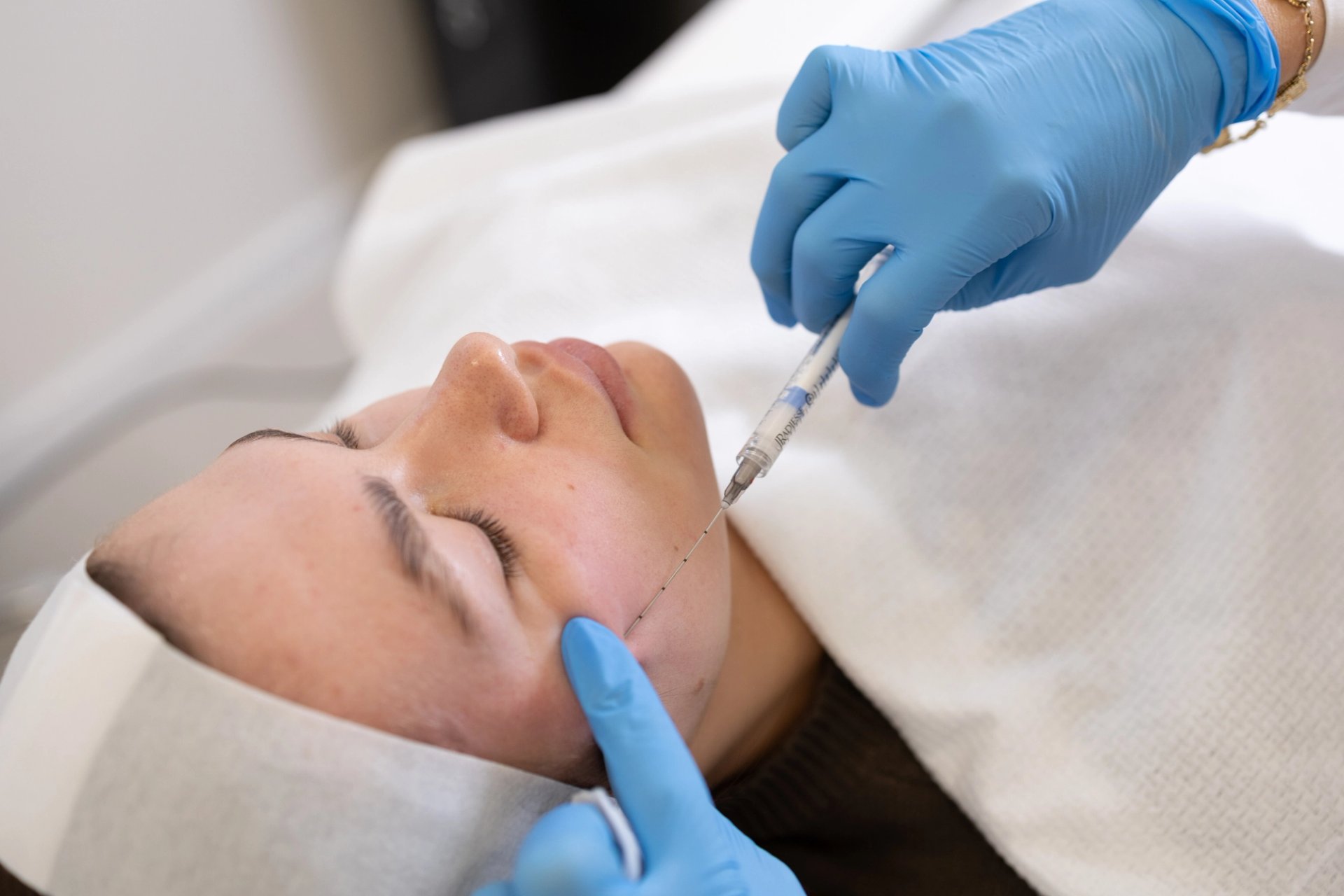
At INNODERM, polynucleotide treatment involves a series of micro-injections into the target area — typically the face, neck, under-eyes, or hands. The procedure takes around 30 minutes and involves minimal discomfort thanks to topical numbing cream.
What Polynucleotides Can Treat:
- Fine lines and crepey skin texture
- Dark under-eye circles and hollowing
- Loss of skin elasticity and firmness
- Dull, dehydrated, or sun-damaged skin
- Acne scarring and uneven skin tone
How Many Sessions Do I Need?
Most patients see optimal results after a course of 3 sessions spaced 3–4 weeks apart. You will begin to notice improvements in skin luminosity and texture after the second session, with full results developing over 2–3 months as your body ramps up its own collagen production.
Polynucleotides vs Skin Boosters vs Fillers
This is one of the most common questions we hear. Here is the key difference: fillers add volume, skin boosters hydrate, and polynucleotides regenerate. They work at a cellular level, encouraging your body to produce its own structural proteins rather than relying on an external substance. For this reason, many practitioners consider polynucleotides a more "natural" approach to anti-ageing.
That said, these treatments are not mutually exclusive. At INNODERM, we often combine polynucleotides with other treatments like Morpheus8 or microneedling for comprehensive skin rejuvenation.
Is It Safe?
Polynucleotides have an excellent safety profile. They are biocompatible and biodegradable, meaning your body naturally absorbs them over time. Side effects are generally limited to mild redness and swelling at the injection sites, which typically resolves within 24–48 hours.
Who Is a Good Candidate?
Polynucleotides suit a wide range of patients, from those in their late 20s looking to maintain skin quality (the "prejuvenation" approach) to those in their 50s and 60s seeking genuine skin regeneration. If you want to improve your skin health rather than simply mask the signs of ageing, this treatment deserves your attention.
Book Your Consultation
At INNODERM in the City of London, our doctors will assess your skin and advise whether polynucleotides — alone or in combination with other treatments — are the right fit for your goals. The future of aesthetics is regenerative, and it is here now.
Polynucleotides
Unlock deep skin regeneration with polynucleotide therapy at INNODERM.
LEARN MORE
Nataliya Tyurdo
Founder & Aesthetic Therapist
With over 14 years of experience across dentistry, dermatology, and aesthetic medicine, Nataliya is a founder of INNODERM. She is renowned for her artistic eye and precision in advanced injectables and regenerative therapies.