

TL;DR
Polynucleotides, PRP and exosomes are all regenerative aesthetic therapies but work differently. Polynucleotides excel at skin hydration and under-eye rejuvenation. PRP suits hair restoration and skin texture. Exosomes are the newest, most expensive, and best paired with energy-based treatments.
What is the difference between polynucleotides, PRP and exosomes?
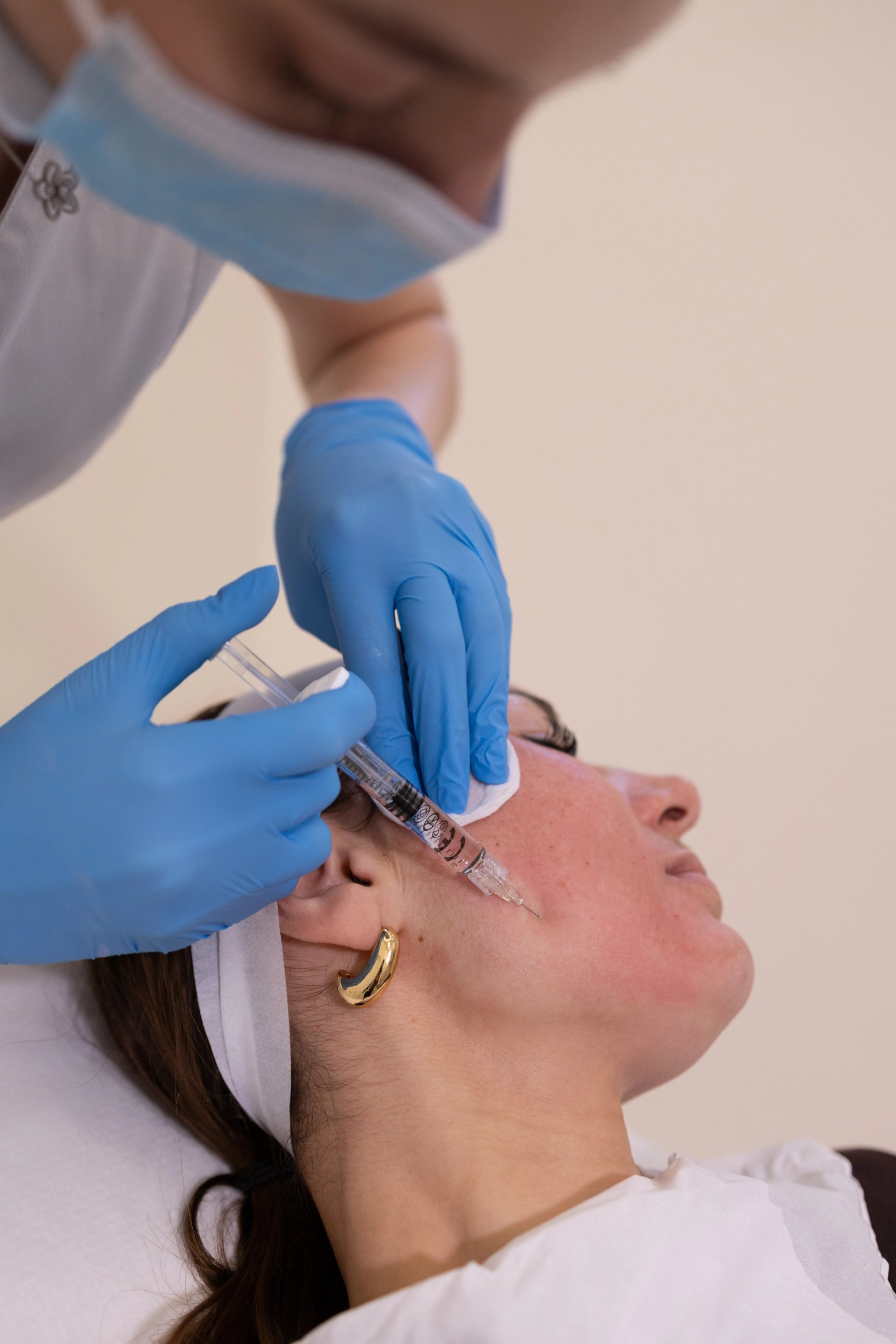
All three are regenerative therapies that signal skin cells to repair and renew, but they differ in source and mechanism. Polynucleotides are fragments of purified DNA (typically salmon-derived) that bind water and stimulate fibroblast activity. PRP (platelet-rich plasma) is autologous — drawn from your own blood and re-injected to deliver growth factors. Exosomes are nano-scale vesicles, lab-derived, carrying signalling proteins and microRNA. The clinical effects overlap; the protocols, costs and evidence base do not.
How do the three compare on mechanism, cost, downtime and evidence?
See the comparison table below for a clinical breakdown. The summary: polynucleotides are best-evidenced for under-eye rejuvenation; PRP is best-evidenced for early-stage hair loss; exosomes are best-evidenced when used as a "carrier" alongside Morpheus8 or microneedling. None of the three replaces a properly indicated injectable for volume loss.
Which one is right for which concern?
For under-eye hollows and crepiness without surgery: polynucleotides, 3 sessions, 2 weeks apart. For early diffuse hair thinning: PRP, 3 sessions monthly. For post-Morpheus8 healing and texture refinement: exosomes immediately after the energy session. For overall skin hydration and luminosity in your 30s: polynucleotides. For skin barrier repair after acne treatment: exosomes.
Why INNODERM offers all three
A single regenerative protocol does not suit every concern. INNODERM holds all three options so the consultation can match the patient to the molecule, rather than the molecule to the patient. All three are administered by our qualified medical team, with batch-tracked product sourcing and post-treatment review at 4 weeks.
| Attribute | Polynucleotides | PRP | Exosomes |
|---|---|---|---|
| Source | Purified salmon DNA fragments | Patient's own blood (autologous) | Lab-cultured stem cell vesicles |
| Best for | Under-eye rejuvenation, hydration | Early hair loss, skin texture | Post-Morpheus8 healing, barrier repair |
| Sessions needed | 3 (2 weeks apart) | 3 (monthly) | 1–2 (paired with energy device) |
| Downtime | 1–2 hours puffiness | 24h mild bruising | Minimal (carrier protocol) |
| Cost per session (London 2026) | £280–£450 | £300–£500 | £600–£950 |
| Evidence base | Strong (under-eye) | Strong (hair) | Emerging |
| At INNODERM | Yes | Yes | Yes (ASCE+) |

Dr. Mariia Pohoretska
GMC-Registered Medical Practitioner
Dr. Mariia is a GMC-registered medical practitioner with a passion for evidence-based aesthetic medicine. She combines medical expertise with a deep understanding of facial anatomy to deliver safe, natural-looking results.